


Contents
- Introduction
- Advantages of SMD Components
- Disadvantages of SMD Components
- Common SMD Packages
- Comparison: SMD vs. Through-Hole Components
- Most Common Applications of SMD Components
- Conclusion
Introduction
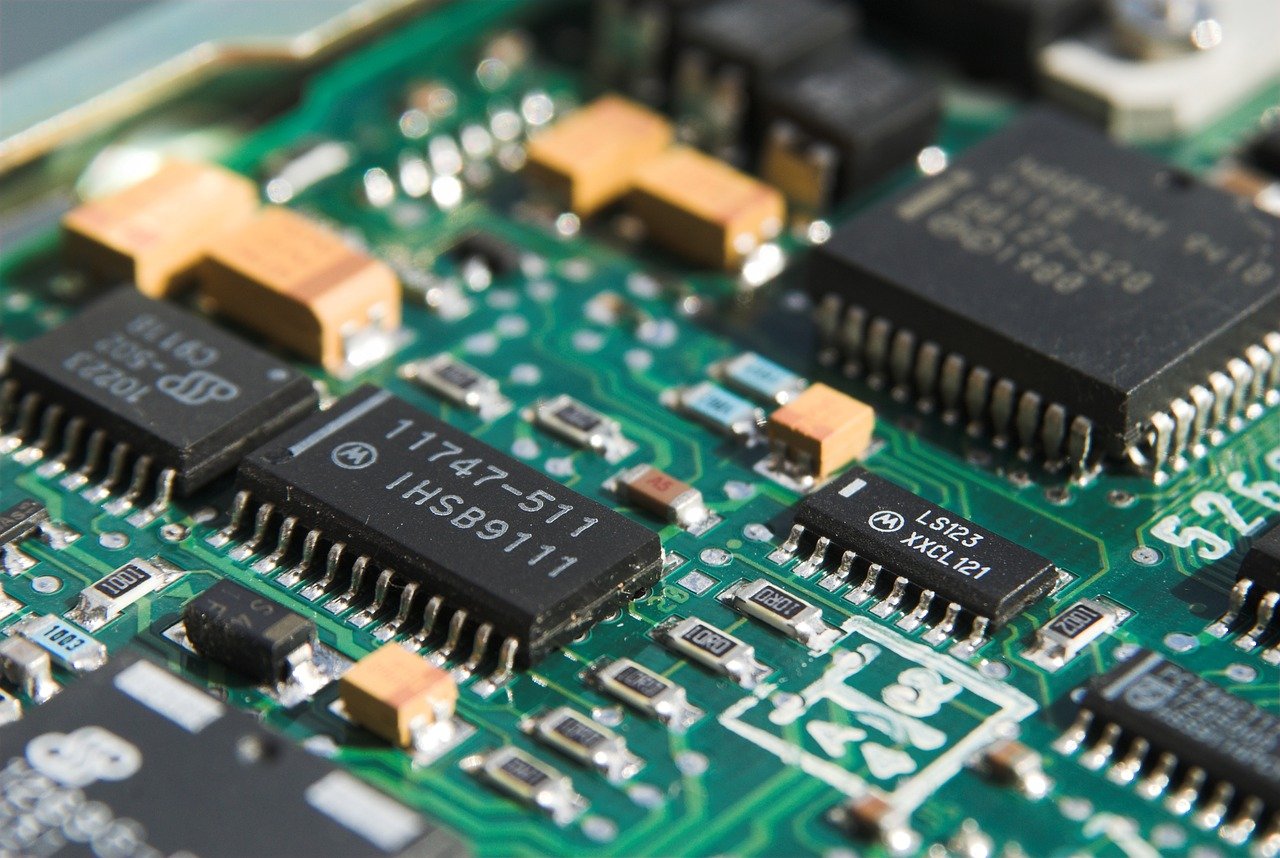
SMDs (Surface Mount Devices) are electronic components designed to be mounted directly onto the surface of printed circuit boards (PCBs). They have largely replaced through-hole components in modern electronics due to their compact size, efficiency, and suitability for automated manufacturing.
In this blog, we explore the advantages and disadvantages of SMD components and discuss the most common SMD packages used in PCB design.
Advantages of SMD Components
1. Smaller Size & Higher Component Density
- SMDs are significantly smaller than through-hole components.
- Allow PCB miniaturization (smartphones, wearables).
- Enable higher component density on boards.
2. Better Performance at High Frequencies
- Shorter leads reduce parasitic inductance and capacitance.
- Ideal for RF and microwave applications.
3. Cost-Effective Manufacturing
- Automated pick-and-place assembly reduces labor cost.
- No drilling required for PCB fabrication.
4. Improved Reliability & Durability
- Fewer mechanical connections reduce failure risk.
- Better resistance to vibration and shock.
5. Faster Production & Soldering
- Reflow soldering allows multiple components at once.
- Faster than manual through-hole assembly.
Disadvantages of SMD Components
1. Difficult Manual Soldering & Rework
- Very small sizes require specialized tools.
- Needs microscope and hot air rework station.
2. Limited Power Handling
- Most SMD components are low to medium power devices.
3. Thermal Stress Issues
- Heat concentration due to small size.
- Requires proper thermal management.
4. Higher Initial Setup Cost
- Requires expensive automated manufacturing equipment.
5. Harder to Prototype
- Not suitable for breadboard testing.
- PCB prototype required.
Common SMD Packages
1. Passive Components (Resistors, Capacitors, Inductors)
- 0201, 0402, 0603, 0805, 1206 sizes.
- Smaller sizes used in compact electronics.

2. Integrated Circuits (ICs)
- SOT: small transistor packages.
- QFP: quad flat packages with leads.
- BGA: ball grid array for high density.
- QFN/DFN: improved thermal performance.

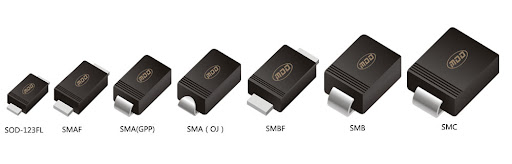
3-Transistors & Diodes
- SOD: small outline diodes.
- SOT: small outline transistors.
4-Connectors & Special Components
- LGA: used in processors and modules.
- WLCSP: wafer-level chip scale packages.
Comparison: SMD vs. Through-Hole Components
| Feature | SMD Components | Through-Hole Components |
|---|---|---|
| Size | Very small | Larger |
| Assembly Method | Automated (Pick & Place) | Manual or wave soldering |
| Power Handling | Low to medium | High power applications |
| High-Frequency Performance | Excellent | Limited due to lead inductance |
| Repairability | Difficult | Easier to replace |
| Cost (Mass Production) | Lower | Higher (more manual work) |
Most Common Applications of SMD Components
Surface Mount Device (SMD) components have become the backbone of modern electronics due to their compact size, reliability, and compatibility with automated manufacturing. Below is a breakdown of their most important applications across industries.
1. Consumer Electronics (Highest Volume Use)
Smartphones & Tablets
- 0201/0402 resistors and capacitors for space-saving designs.
- QFN and BGA packages for processors and memory.
- RF components in 5G, WiFi, and Bluetooth modules.
Wearables (Smartwatches, Earbuds)
- Ultra-small 01005 components.
- Flexible PCB designs with ultra-thin chip components.
Laptops & TVs
- Power management ICs in DFN packages.
- LED backlight drivers in SOT-23 packages.
2. Computing & Data Storage
Motherboards & GPUs
- High-density BGA packages for CPUs and GPUs.
- 0603 and 0805 capacitors for decoupling.
SSDs & Memory Modules
- NAND flash in WLCSP (Wafer-Level Chip Scale Package).
- DDR memory in fine-pitch QFN packages.
3. Automotive Electronics
ECUs (Engine Control Units)
- AEC-Q200 qualified SMD resistors and capacitors.
- High-reliability QFP packages for microcontrollers.
ADAS & Infotainment
- Radar sensors using RF SMD components.
- Automotive-grade 1206 capacitors for power filtering.
4. Industrial & IoT Devices
Industrial Control Systems
- Thick-film SMD resistors for harsh environments.
- Isolated DC-DC converters in SIP packages.
IoT Sensors
- Low-power SMD crystals for MCU clock timing.
- Miniature MEMS sensors in LGA packages.
5. Medical Electronics
Portable Medical Devices
- 0402 capacitors in pacemakers and insulin pumps.
- Hermetically sealed SMD packages for implants.
Diagnostic Equipment
- High-precision SMD resistors in PCR machines.
- Medical-grade EMI filters in 0805 packages.
6. Aerospace & Defense
Avionics Systems
- Radiation-hardened SMD ICs.
- MIL-SPEC tantalum capacitors.
Satellite Communications
- RF amplifiers in ceramic QFN packages.
- Hi-reliability SMD oscillators for space applications.
7. LED Lighting & Power Electronics
LED Drivers
- High-current SMD MOSFETs in DPAK packages.
- 1206/1210 resistors for current limiting.
Power Supplies
- Synchronous buck converters in SOIC-8 packages.
- SMD inductors for DC-DC conversion.
Why SMD Dominates These Applications
- Space efficiency enables miniaturization.
- Better high-frequency performance reduces EMI.
- Automation-friendly for mass production.
- Improved thermal performance with thermal pads.
- Cost-effective at large scale compared to through-hole.
Where Through-Hole is Still Used
- High-power applications (TO-220 / TO-247 packages).
- Prototyping and breadboarding.
- Extreme environments (military and aerospace cases).
Future Trends
Component sizes continue shrinking (down to 01005 and 008004 packages), while power handling improves through advanced packaging such as embedded die technologies.
Conclusion
SMD components dominate modern electronics due to their compact size, efficiency, and compatibility with automated manufacturing. However, they introduce challenges such as difficult manual soldering and thermal management.
The choice between SMD and through-hole depends on application needs: high-frequency and mass production favor SMD, while high-power and prototyping applications may still rely on through-hole.
Understanding SMD applications helps engineers select the right components for efficient PCB design.
Have you worked with SMD components? What challenges did you face? Share your thoughts in the comments!
المحتويات
- المقدمة
- مزايا مكونات SMD
- عيوب مكونات SMD
- أنواع التغليف الشائعة لمكونات SMD
- مقارنة بين SMD والمكونات التقليدية (Through-Hole)
- أهم تطبيقات مكونات SMD
- الخاتمة
المقدمة
تُعد مكونات SMD (المكونات المثبتة على السطح) من أهم العناصر في الإلكترونيات الحديثة، حيث يتم تركيبها مباشرة على سطح لوحات الدوائر المطبوعة (PCB) بدلًا من التثبيت عبر الثقوب. وقد أصبحت الخيار الأساسي في التصنيع الحديث بسبب صغر حجمها وكفاءتها العالية وإمكانية إنتاجها بشكل آلي.
في هذا المقال نستعرض أهم مزايا وعيوب هذه المكونات، بالإضافة إلى أشهر أنواع التغليف المستخدمة في تصميم الدوائر الإلكترونية.
مزايا مكونات SMD
1. حجم أصغر وكثافة أعلى
- أصغر بكثير مقارنة بالمكونات التقليدية.
- تساعد على تصغير حجم لوحات الدوائر الإلكترونية.
- تسمح بزيادة عدد المكونات داخل نفس المساحة.
2. أداء أفضل عند الترددات العالية
- تقليل أطوال التوصيل يقلل من التشويش الكهربائي.
- مناسبة لتطبيقات RF والدوائر عالية السرعة.
3. تصنيع أقل تكلفة
- تعتمد على التجميع الآلي (Pick & Place).
- لا تحتاج إلى حفر ثقوب في اللوحة.
4. موثوقية أعلى
- عدد نقاط اللحام أقل مما يقلل الأعطال.
- مقاومة أفضل للاهتزاز والصدمات.
5. سرعة إنتاج أعلى
- إمكانية لحام عدة مكونات في وقت واحد باستخدام إعادة الانصهار (Reflow).
عيوب مكونات SMD
1. صعوبة الإصلاح اليدوي
- الحجم الصغير يتطلب أدوات دقيقة جدًا.
- يحتاج إلى مجهر ومحطة هواء ساخن للإصلاح.
2. قدرة طاقة محدودة
- مناسبة أكثر للتطبيقات منخفضة ومتوسطة القدرة.
3. مشاكل حرارية
- تجمع الحرارة بسبب الحجم الصغير.
- تحتاج إلى إدارة حرارية جيدة.
4. تكلفة تجهيز أولية مرتفعة
- تحتاج إلى معدات تصنيع آلية مكلفة.
5. صعوبة في التجربة الأولية
- غير مناسبة للاستخدام على breadboard.
- تحتاج إلى تصميم PCB مخصص.
أنواع التغليف الشائعة لمكونات SMD
1. المكونات السلبية (مقاومات، مكثفات، محاثات)
- 0201، 0402، 0603، 0805، 1206.
- الأحجام الصغيرة تستخدم في الأجهزة المدمجة.
2. الدوائر المتكاملة (ICs)
- SOT: حزم ترانزستورات صغيرة.
- QFP: حزم متعددة الأرجل.
- BGA: مصفوفة كرات لحام عالية الكثافة.
- QFN/DFN: أداء حراري أفضل.
3. الترانزستورات والدايودات
- SOD: دايودات صغيرة الحجم.
- SOT: ترانزستورات مدمجة.
4. الموصلات والمكونات الخاصة
- LGA: تستخدم في المعالجات.
- WLCSP: أصغر حزم شريحة على مستوى الرقاقة.
مقارنة بين SMD والمكونات التقليدية (Through-Hole)
| العنصر | SMD | Through-Hole |
|---|---|---|
| الحجم | صغير جدًا | أكبر |
| طريقة التركيب | آلي بالكامل | يدوي أو لحام موجي |
| تحمل القدرة | منخفض إلى متوسط | مرتفع |
| الأداء عالي التردد | ممتاز | محدود |
| سهولة الإصلاح | صعب | سهل |
| التكلفة الإنتاجية | أقل | أعلى |
أهم تطبيقات مكونات SMD
أصبحت مكونات SMD (المثبتة على السطح) حجر الأساس في صناعة الإلكترونيات الحديثة بفضل صغر حجمها، وموثوقيتها العالية، وتوافقها مع خطوط الإنتاج الآلي. فيما يلي نظرة على أبرز استخداماتها عبر مختلف القطاعات.
1. الإلكترونيات الاستهلاكية (الأكثر انتشارًا)
الهواتف الذكية والأجهزة اللوحية
- مقاومات ومكثفات صغيرة جدًا مثل 0201 و0402 لتوفير المساحة.
- حزم QFN وBGA للمعالجات والذاكرة.
- مكونات RF لشبكات 5G وWiFi وBluetooth.
الأجهزة القابلة للارتداء (الساعات والسماعات الذكية)
- مكونات فائقة الصغر مثل 01005.
- تصاميم PCB مرنة مع شرائح دقيقة جدًا.
أجهزة الحواسيب والتلفزيونات
- دوائر إدارة الطاقة بحزم DFN.
- مشغلات إضاءة الخلفية LED بحزم SOT-23.
2. الحوسبة وتخزين البيانات
اللوحات الأم ومعالجات الرسوميات
- حزم BGA عالية الكثافة للمعالجات والـ GPU.
- مكثفات 0603 و0805 لتقليل التشويش (Decoupling).
أقراص SSD ووحدات الذاكرة
- ذاكرة NAND بتقنية WLCSP فائقة الصغر.
- ذاكرة DDR بحزم QFN دقيقة التوصيل.
3. إلكترونيات السيارات
وحدات التحكم بالمحرك (ECU)
- مكونات SMD مطابقة لمعايير AEC-Q200.
- حزم QFP عالية الاعتمادية للمتحكمات الدقيقة.
أنظمة القيادة والترفيه (ADAS)
- حساسات رادار تعتمد على مكونات RF SMD.
- مكثفات سيارات 1206 لتصفية الطاقة.
4. الأجهزة الصناعية وIOT
أنظمة التحكم الصناعية
- مقاومات SMD سميكة التحمل للبيئات القاسية.
- محولات DC-DC معزولة بحزم SIP.
حساسات IOT
- بلورات تردد منخفضة الطاقة لتوقيت المعالجات.
- حساسات MEMS مصغرة بحزم LGA.
5. الأجهزة الطبية
الأجهزة الطبية المحمولة
- مكثفات 0402 في أجهزة تنظيم الإنسولين ونبض القلب.
- حزم مغلقة بإحكام لاستخدامات الزراعة الطبية.
أجهزة التشخيص
- مقاومات عالية الدقة في أجهزة PCR.
- مرشحات EMI طبية بحجم 0805.
6. الطيران والدفاع
أنظمة الطيران (Avionics)
- دوائر IC مقاومة للإشعاع.
- مكثفات تانتالوم بمعايير عسكرية.
الاتصالات الفضائية
- مضخمات RF بحزم QFN السيراميكية.
- مذبذبات عالية الاعتمادية للفضاء.
7. الإضاءة LED والطاقة
مشغلات LED
- ترانزستورات MOSFET عالية التيار بحزم DPAK.
- مقاومات 1206 و1210 للتحكم في التيار.
أنظمة الطاقة
- محولات Buck بحزم SOIC-8.
- محثات SMD لتحويل الطاقة DC-DC.
لماذا تهيمن مكونات SMD على هذه التطبيقات؟
- توفير كبير في المساحة وتصغير الأجهزة.
- أداء أفضل في الترددات العالية وتقليل التشويش.
- مناسبة للإنتاج الضخم الآلي.
- تحسين تبديد الحرارة عبر الوسائد الحرارية.
- تكلفة أقل عند الإنتاج على نطاق واسع.
حالات ما زال يُستخدم فيها Through-Hole
- التطبيقات عالية القدرة (TO-220 وTO-247).
- النماذج الأولية (Breadboarding).
- البيئات القاسية مثل التطبيقات العسكرية والفضائية.
الاتجاهات المستقبلية
تستمر مكونات SMD في التصغير المستمر (حتى أحجام 01005 و008004)، مع تحسين قدرتها على تحمل الطاقة باستخدام تقنيات تغليف متقدمة مثل Embedded Die.
الخاتمة
تُهيمن مكونات SMD على الإلكترونيات الحديثة بسبب كفاءتها وصغر حجمها، لكنها تتطلب دقة عالية في التعامل والإصلاح.
يعتمد الاختيار بين SMD وThrough-Hole على طبيعة التطبيق، سواء كان عالي التردد، عالي القدرة، أو إنتاجًا ضخمًا.
فهم هذه التطبيقات يساعد المهندسين على اختيار المكونات المناسبة لتصميم دوائر PCB أكثر كفاءة واحترافية.


Leave a comment
You must be logged in to post a comment.