-

Pluggable Terminal Block KF2EDGR-5.08-10P PCB Solder Right Angle 5.08mm 10 Pin
25.00 EGP25.00 EGP× -
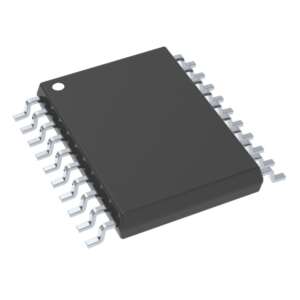
PIC16LF1829-I/SS 8KB 1.8V~3.6V PIC 1KB 32MHz FLASH 17 SSOP-20 Microcontroller
200.00 EGP200.00 EGP× -
-

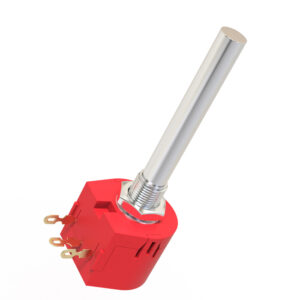
Lanrui G4 Rotate Magnetic Adsorption Explosion-Proof Delaminator for Motherboard Layering
250.00 EGP250.00 EGP× -
-



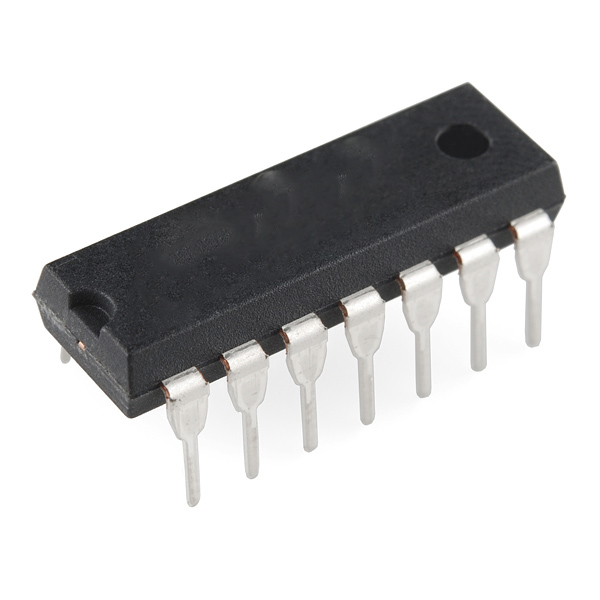
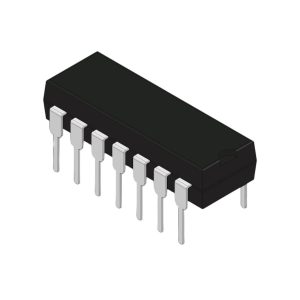
7493 Binary Counter 4-Bit IC DIP-14
25.00 EGP
In stockSKU 300000006899
Buy Now
Shipping across EgyptDelivered to your door
Cash on deliveryPay when your order arrives
Not sure it fits your project?Ask us on WhatsApp - we reply fast
Features:
- The 7493 IC is part of the 7400 series of TTL (Transistor-Transistor Logic) devices.
- The 7493 4-bit binary counter consisting of four flip-flops IC (DIP-14).
- Digital IC designed to count in binary and is typically used in various timing and counting applications.
- The IC operates on a clock signal, incrementing the count each time the clock transitions.
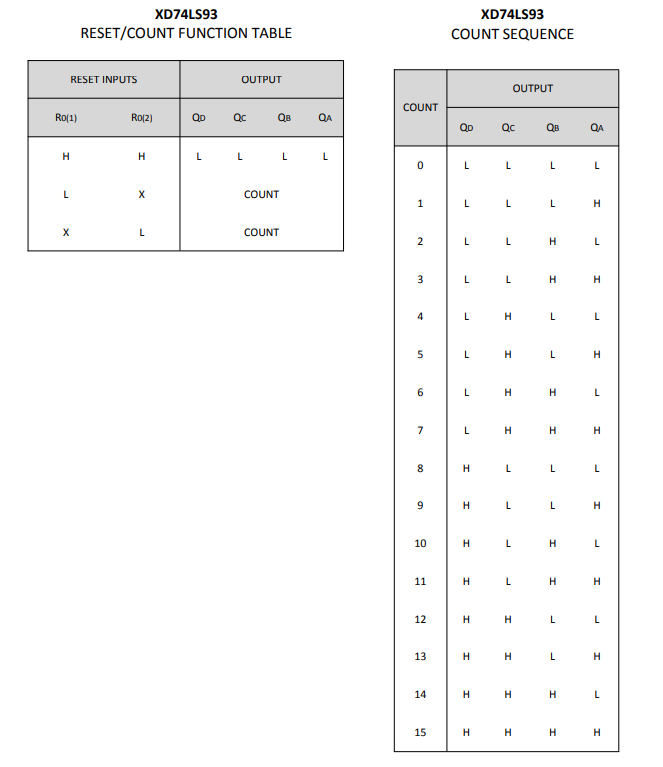
- It has the ability to count from 0 to 15 in binary (0000 to 1111) and then rolls over to 0, making it suitable for binary counting tasks in digital electronics.
- Can be configured for smaller modulus counts (e.g., divide-by-2, divide-by-8 counters).
- It includes inputs to reset the counter to zero.
- Compatible with other TTL devices, enabling integration into digital circuits.
- Typical for TTL ICs, with propagation delays in the nanosecond range.
- Standard DIP-14 package: Easy for prototyping and integration into breadboards or PCBs.
Pin Assignments:

Specifications:
| Datasheet | 7493 |
| Product Type | Counter ICs |
| Series | 7400 |
| Model | 7493 |
| Mounting Style | Through Hole |
| Package/Case | DIP-14 |
| Function | Counter |
| Counter Type | Binary |
| Counting Sequence | Up |
| Number of Bits | 4 bit |
| Operating Supply Voltage | 4.75 V to 5.25 V |
| Output Current | 8 mA/- 400 µA |
| Operating Temperature | 0 °C to + 70 °C |
Applications:
- Frequency division and counting applications.
- This IC used to create a long time delay.
- Timing related applications.
- Digital clocks and timers.
- Frequency synthesis.
- Sequence generation.
- Event counting.
- Data processing circuits.
- Binary and decade counter applications.
Datasheet:
Related products