



Fingerprint Sensors
Contents List
- Introduction.
- What is a Fingerprint Sensor?
- The Science Behind Fingerprints.
- Why Fingerprints Don’t Change Over Time?
- Advanced Fingerprint Classification Elements.
- How does a Fingerprint Sensor work?
- Methods of capturing and recording fingerprints.
- Factors Affecting Fingerprint Identification
- Types of Fingerprint Sensor.
- Optical Fingerprint Sensors.
- Capacitive Fingerprint Sensors.
- Ultrasonic Fingerprint Sensors.
- Thermal Fingerprint Sensors.
- Comparison of Fingerprint Sensor Types.
- Frequently Asked Questions (FAQs).
- Conclusion.
Reading time is approximately 20 minutes
Introduction
Fingerprints of humans are practically unique that’s why these are very successful in recognizing individuals. Fingerprints of individuals are collected & maintained by law enforcement agencies and also other occupations for certification or professional licensing like stockbrokers, financial advisors, teachers, real estate agents, security, doctors or nurses, contractors, and many more. At present, advancements in technologies use these scanners as an additional security feature. So these are becoming one of the latest and ever-growing security systems. This article discusses brief information on a fingerprint sensor – working with applications.
What is a Fingerprint Sensor?
A fingerprint sensor is a biometric device that captures the pattern of ridges and valleys on a finger and converts it into a digital representation for identification or authentication. In most systems, the sensor does not store the raw image but a mathematical template derived from distinctive features such as ridge endings and bifurcations, which can later be matched against templates in a database.
In general, fingerprint sensors follow a similar pipeline even though the capture technology differs. First, the sensor acquires an image or signal corresponding to the fingerprint pattern, then onboard or host algorithms enhance the data, extract minutiae or other features, and finally perform matching to decide whether the presented fingerprint corresponds to a stored identity.
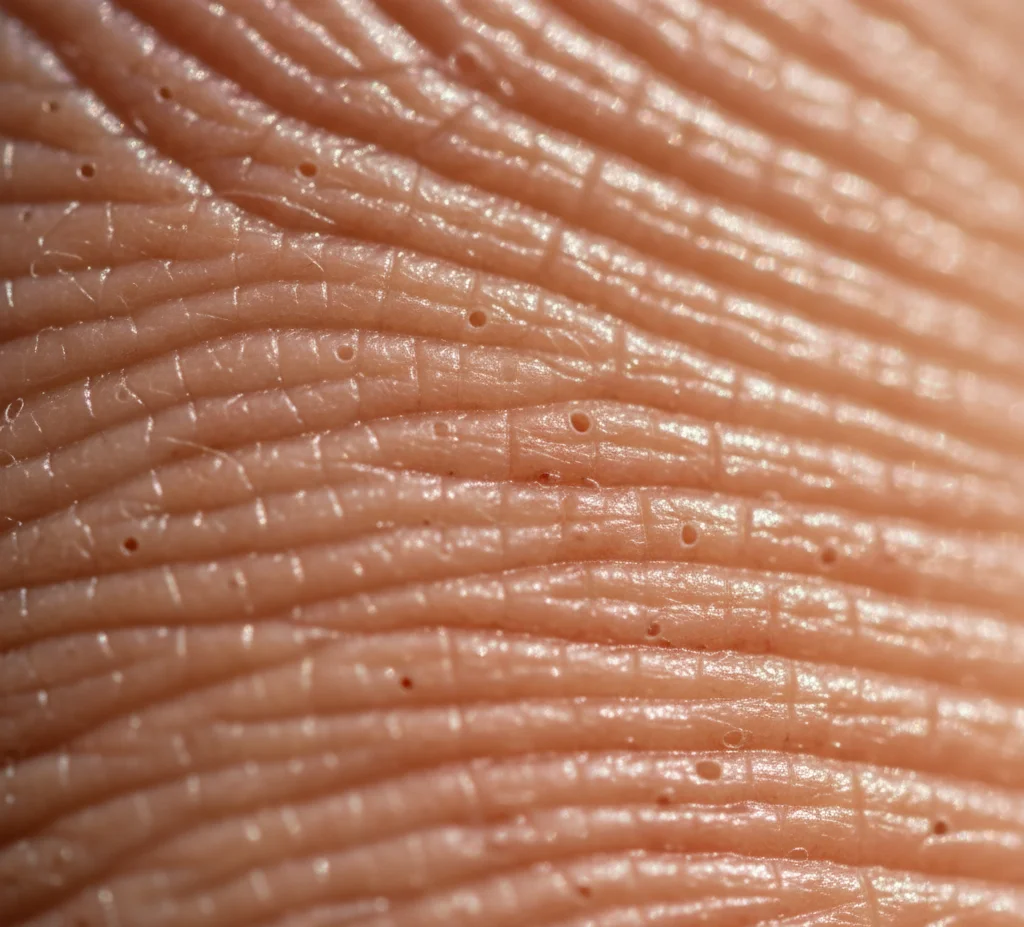
A fingerprint is an impression of the friction ridges found on the pads of your fingers. These ridges form unique biometric patterns shaped by the layers of skin and natural oils on your fingertips, making each fingerprint uniquely yours.
The Science Behind Fingerprints
Fingerprints consist of raised ridges and tiny valleys enriched with sweat pores beneath the skin’s surface. This combination creates a pattern that is exclusive to each individual. Even identical twins—who share DNA—have different fingerprints. The unique formation results from genetic factors combined with environmental influences during fetal development.
- The raised ridges help with grip and tactile sensitivity.
- Patterns form before birth and remain unchanged throughout life, providing a permanent biological signature.
- Pores on ridges secrete sweat that aids in leaving fingerprint impressions on objects.
Why Fingerprints Don’t Change Over Time
Unlike behavioral traits or voice patterns that can vary, fingerprints are permanent identifiers. While the surface features like scars may alter a print temporarily, the pore and ridge patterns remain stable, making fingerprints reliable for lifelong identification.
Three Main Fingerprint Patterns
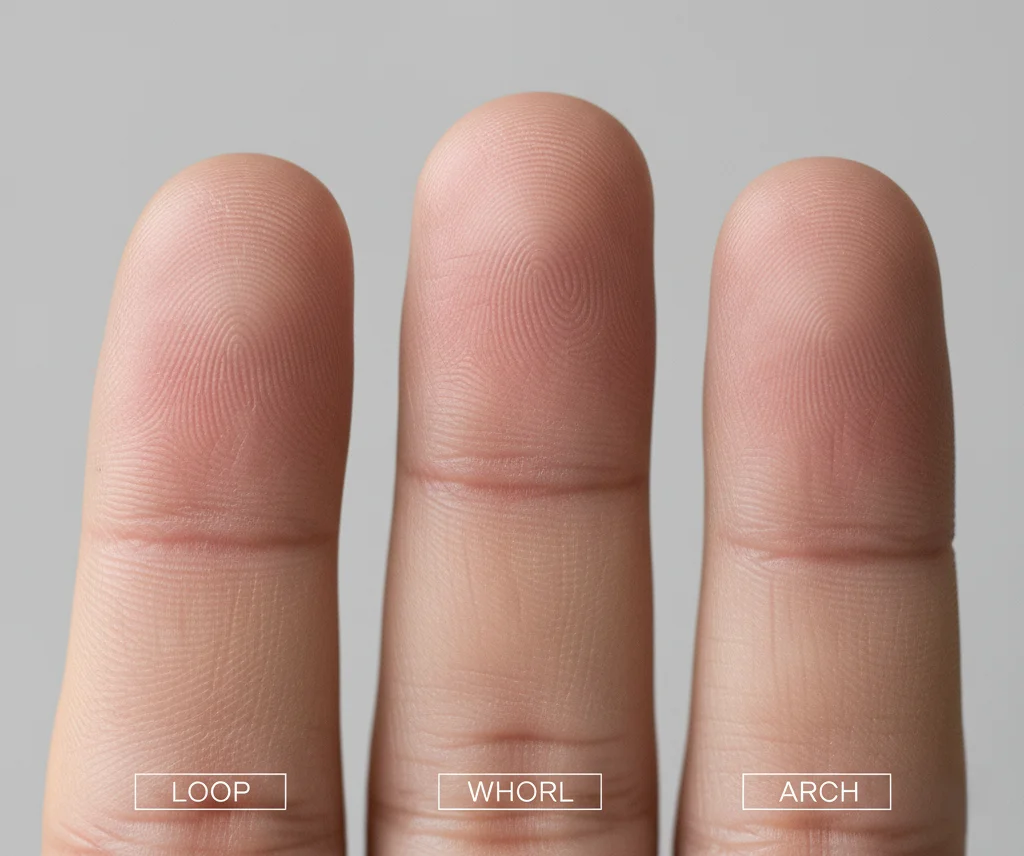
Fingerprints are generally classified into three main types:
1. Loops (60-65% of the population)
Loops have ridges that enter from one side of the finger, curve around, and exit the same side. They are the most common fingerprint type.
- Ulnar loops: Open toward the little finger (ulnar side).
- Radial loops: Open toward the thumb (radial side).
Loops are often the easiest to identify due to their distinctive hooked shape.
2. Whorls (30-35% of the population)
Whorls exhibit circular or spiral ridge configurations and are more complex than loops.
- Plain whorls: Basic circular patterns.
- Central pocket loops: Circular loops with an indentation.
- Double loops: Two loops side-by-side.
- Accidental whorls: Irregular or mixed pattern whorls.
These patterns are commonly used in forensic examinations for their complexity.
3. Arches (5% of the population)
Arches have ridges that enter from one side, rise in the center, and exit the other side. They are the rarest pattern type.
Advanced Fingerprint Classification Elements
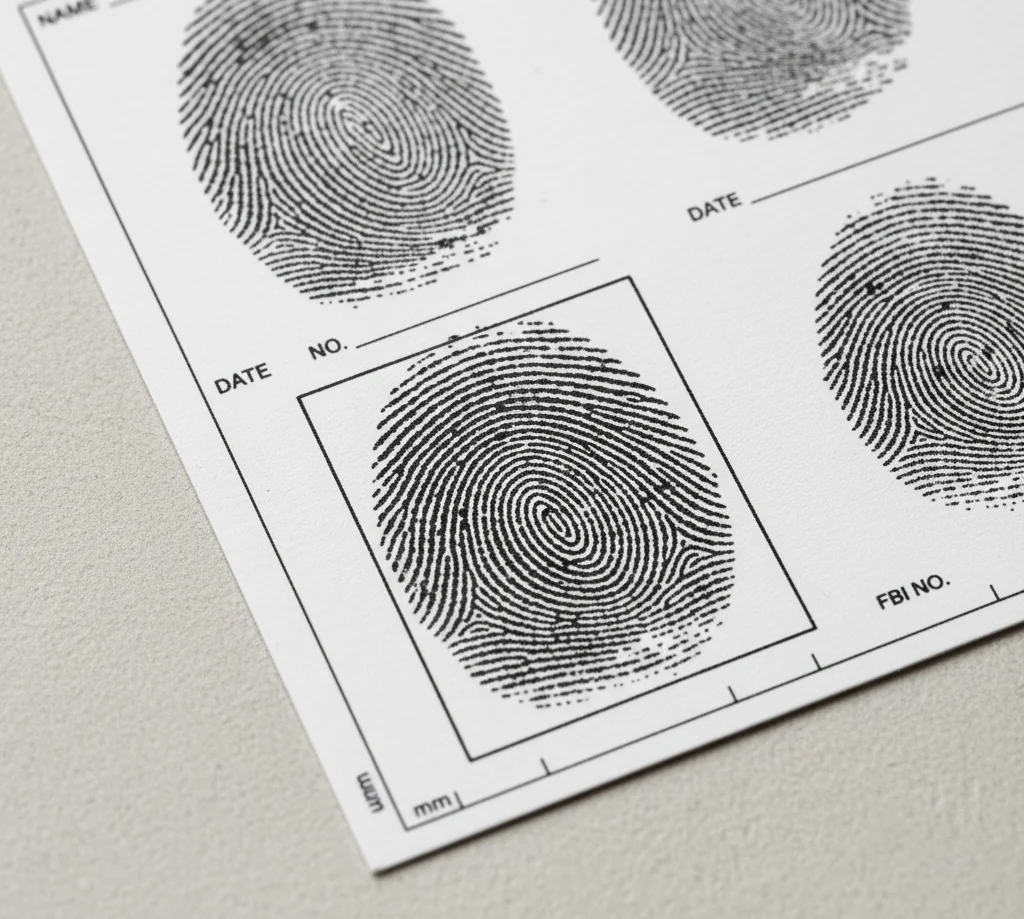
1. Minutiae Points
Minutiae are tiny ridge characteristics examined during fingerprint analysis.
- Ridge ending: Where a ridge abruptly stops.
- Bifurcation: A single ridge splits into two.
- Dot or island: A small isolated ridge.
- Spur: A bifurcation with a short ridge branching off.
- Lake (ridge enclosure): A ridge splitting and recombining.
- Delta: A Y-shaped meeting of ridges.
- Core: The central point of the fingerprint pattern.
- Analyzing these features—often more than 150 per print—greatly improves identification accuracy.
2. Other Classification Features
Additional fingerprint elements crucial for classification include:
- Ridge flow direction and pattern orientation.
- Location on the fingertip, such as tip versus side.
- Ridge density: number of ridges per unit area.
- Special formations like spirals or circular arches.
How does a Fingerprint Sensor work?
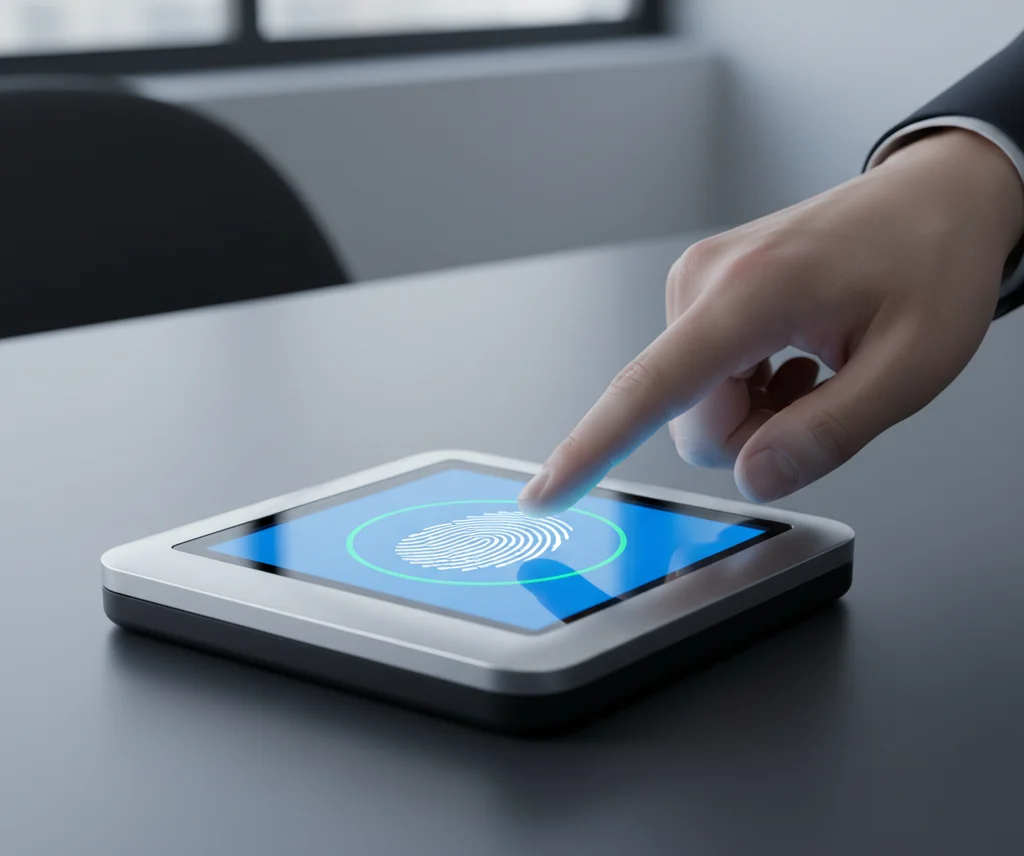
The fingerprint sensor works on the principle of processing which includes two elements like enrollment & matching. In enrollment, each individual has to put the finger on the sensor device, so that the device checks the fingerprints to process & generate the finger pattern & it will be stored. In matching, once an individual places the finger then the system will generate a pattern of the finger & compares it with the stored data. So a fingerprint sensor is used to authenticate and recognize the fingerprints of a person. These sensors are very reliable and secure devices used for any security authentication.
In the fingerprint sensor working, first authorized persons’ fingerprint scans are recorded for a specific system and these scans are saved within a database. Whenever an individual needs to access the system then he places a finger on a hardware scanner, then the scanner scans & copies the input from the person & verifies with the previously stored scans for any similarity. If it matches, then the individual gets access. These sensors normally use the thumbprint of an individual as an identification.
Methods of capturing and recording fingerprints
1. Live Scan Devices
- Use glass plates to capture high-resolution digital fingerprints.
- Common in law enforcement and forensic labs.
- Certified by the FBI for image quality standards.
2. Ink and Paper Method
- Traditional rolling of inked fingers on paper.
- Still used for passports, visas, and archival purposes.
- Followed by digital scanning for integration.
3. Digital Storage & Biometric Templates
- Fingerprint images converted to templates storing ridge minutiae points.
- Templates encrypted and stored in secure biometric databases.
- Enable rapid matching and identity verification.
- Factors Affecting Fingerprint Identification
- Chemical exposure can degrade skin ridges.
- Nutritional deficiencies or skin conditions may alter print clarity.
- Physical injuries like cuts, burns, or scars.
- Dirty or damaged fingerprint scanners cause misreads.
- Understanding these helps improve scanner technology and error management.
Factors Affecting Fingerprint Identification
- Chemical exposure can degrade skin ridges.
- Nutritional deficiencies or skin conditions may alter print clarity.
- Physical injuries like cuts, burns, or scars.
- Dirty or damaged fingerprint scanners cause misreads.
- Understanding these helps improve scanner technology and error management.
Types of Fingerprint Sensor
There are different types of fingerprint sensors optical, capacitive, ultrasonic, and thermal which are discussed below. But these sensors considerably vary in both price & security. These sensors provide several benefits & are simple for companies to execute & use.
Optical Fingerprint Sensors
Optical fingerprint sensors are the first models which are used to simply capture the optical image of individuals’ fingerprints with CMOS or CCD image sensors. These sensors are related to camera sensors, although they are mainly designed to take high-contrast images as compared to any usual camera. This sensor includes a set of LEDs that the CMOS or CCD/ sensors light up the areas of fingers as well as the replicated light waves. The present sensor models are available in 1mm size in dimensions & they can scan wet fingers also.
Optical Fingerprint Sensor

How Optical Sensors Work (Light Reflection and Image Capture)
An optical sensor operates by illuminating the finger and capturing the reflected light using an image sensor such as CCD or CMOS. The ridges of the fingerprint make direct contact with the glass surface and reflect light differently than the air‑filled valleys, creating a contrast pattern that can be imaged and digitized.
Typically, the user places a finger on a glass or acrylic platen, below which LEDs or another light source illuminate the contact area. A prism and lens system then directs the reflected light to the imaging array, and an analog‑to‑digital converter transforms the captured signal into a grayscale image that can be enhanced and analyzed.
Main Components of Optical Sensors
A typical optical fingerprint sensor contains several key hardware elements:
- Glass or protective platen that the user touches, designed to be scratch‑resistant and optically clear
- Illuminating light source, often an array of LEDs, providing consistent lighting of the finger area
- Prism or optical block that directs reflected light from the finger surface toward the imaging path
- Lens system that focuses the reflected light onto a CCD or CMOS image sensor
- Image sensor (CCD/CMOS) that captures the ridge–valley pattern as a 2D image
- Microcontroller or digital signal processor (MCU/DSP) that handles control, analog‑to‑digital conversion, image enhancement, and feature extraction
- Communication interfaces such as UART, SPI, or USB to transmit digital data to a host system
Advantages of Optical Sensors
Optical fingerprint sensors are known for being mature, stable, and relatively cost‑effective. They can provide high‑resolution images and are widely available in modular forms, making them simple to integrate into many systems.
Key advantages include:
- Good image quality under controlled conditions, enabling reliable minutiae extraction
- Competitive pricing due to long‑standing manufacturing experience and economies of scale
- Robustness and durability when equipped with hardened glass, suitable for high‑throughput environments like enrollment stations
Common Applications of Optical Sensors
Because of their affordability and established performance, optical sensors are widely deployed in fixed installations. They are common in law‑enforcement AFIS/ABIS systems, civil ID enrollment, border control kiosks, and time‑and‑attendance terminals.
They are also used in physical access control readers, safe locks, and some PC peripherals where device thickness is less constrained than in ultra‑slim smartphones. These deployments value reliability and cost over ultra‑compact size, which suits optical modules well.
Optical sensors also remain the default choice for budget and mid-range smartphones in 2026, where cost efficiency still outweighs the appeal of ultrasonic accuracy. Optical sensors remain the mainstay for budget and mid-tier devices due to cost efficiencies, though they face growing consumer pressure around speed and reliability compared to flagship-grade alternatives.
Limitations of Optical Sensors
Despite their advantages, optical sensors face some practical constraints. The optical stack—glass, prism, and lens—can make modules bulkier, which is not ideal for ultra‑thin consumer devices.
They can also be more susceptible to issues with very dirty, oily, or highly reflective surfaces, and in some configurations may be at risk of spoofing using high‑quality printed or molded images if liveness detection is not implemented. Proper design and anti‑spoofing algorithms can mitigate these risks but add complexity and processing overhead.
Capacitive Fingerprint Sensors
These scanners use several small capacitors for detecting capacitance in between the ridges & valleys of fingers for capacitor plates. Once there is an edge, its distance by the plate of the capacitor is very small, resulting in somewhat less capacitance. Once there is a valley, then its distance through the capacitor plate is higher so it results in higher capacitance. From every capacitor, the capacitance is passed to the op-amp & is recorded simply with ADC. So this generates a fingerprint’s digital scan based on the sensing of capacitive touch.
Capacitive Fingerprint Sensor
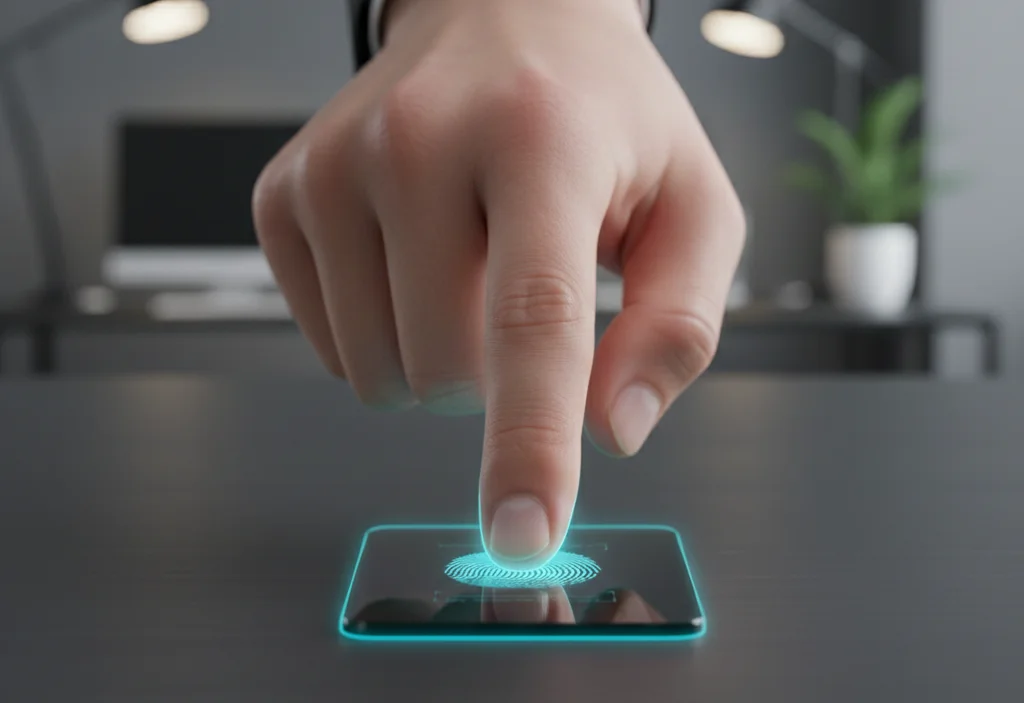
Capacitive fingerprint sensors, sometimes called touch fingerprint scanners, use electrical properties instead of light to capture the ridge-valley pattern. They have become the dominant technology in smartphones and many compact consumer devices due to their small size and high accuracy.
Working Principle (Capacitance Changes from Ridges and Valleys)
A capacitive sensor consists of an array of tiny capacitor plates embedded beneath the sensing surface. When a finger touches the surface, the ridges come into closer contact with the plates than the air‑filled valleys, creating local differences in capacitance across the array.
A readout circuit measures these variations by sequentially scanning the capacitor matrix and converting the analog capacitance changes into voltage signals that represent the ridge–valley structure. An analog‑to‑digital converter then produces a digital image or height map that can be further processed into a fingerprint template.
Key Components of Capacitive Sensors
Modern capacitive modules are highly integrated but still follow a common internal structure:
- Sensor array composed of conductive elements, typically patterned on a silicon substrate
- Dielectric or insulating layer that forms the capacitor structure and protects the conductive electrodes
- Readout circuitry that scans the capacitor array, senses minute changes in charge, and amplifies the resulting signals
- Analog‑to‑digital converter that transforms analog signals into a digital fingerprint image
- Controller or microprocessor that performs tasks such as signal filtering, normalization, image enhancement, and feature extraction
- Interfaces to external hosts or secure elements for template storage and matching
Benefits of Capacitive Sensors
Capacitive sensors are widely regarded for their accuracy and compact form factor. Because they detect electrical properties at the skin surface, they are less easily fooled by simple printed images than purely optical systems without liveness protection.
Key advantages include:
- High spatial resolution and good edge definition, supporting reliable minutiae extraction
- Ease of miniaturization using standard CMOS and silicon processes, enabling very small sensor areas
- Fast response times and low power consumption suitable for battery‑powered devices
Popular Uses of Capacitive Sensors
Capacitive fingerprint sensors are common in smartphones, tablets, and laptops, often integrated into power buttons, home keys, or side frames. They are also widely adopted in payment cards, mPOS terminals, and embedded modules where compactness and low power are critical.
Beyond consumer electronics, capacitive readers appear in logical access control, secure tokens, and industrial control panels that require quick, convenient user verification. These deployments benefit from the sensors’ small footprint and relatively high spoof resistance when combined with secure matching.
Challenges and Limitations of Capacitive Sensors
Like any technology, capacitive sensors have operating constraints. Very dry, extremely calloused, or heavily worn skin can reduce capacitance contrast and make capture more difficult, sometimes requiring several attempts.
Excess moisture, sweat, or conductive contaminants may also affect readings if not managed by protective coatings and good signal processing. In addition, because the sensing area is often small in consumer devices, partial prints are captured, which increases the importance of robust matching algorithms and appropriate security thresholds.
These scanners are not easy to forge and they can even notice a live finger also. The only method to forge a fingerprint by using this scanner is to hack the hardware/software of the controller or else, these types of scanner will be fooled through a print image because a print image will have consequential capacitive effects, and a prosthetic can not exactly mimic a live finger’s touch capacitance.
Ultrasonic Fingerprint Sensors
The latest & most sophisticated scanners are ultrasonic fingerprint scanners which are capable of generating fingerprints 3D scans. Now, this is used only in some high-end smartphones. This scanner includes a set of ultrasonic transmitters & receivers where the transmitters generate ultrasonic signals which are reflected within the ridges, valleys & fingerprint pores and receivers detect the reflected signals.
Ultrasonic Fingerprint Sensor

These scanners need some time to efficiently capture the fingerprint’s 3D map. These scanners are very simple to implement, so frequently used in smartphones for in-display scanners. It is not possible to copy ultrasonic scanners and the scanned fingerprint 3D feature will make the technology extra robust. Similar to capacitive scanners, these scanners are forged simply by hacking the software & hardware. So, by the operation principle, these are approximately impeccable.
Ultrasonic fingerprint sensors use high‑frequency sound waves instead of light or capacitance to build a detailed three‑dimensional representation of the fingerprint. They are known for strong performance under challenging surface conditions and are increasingly used in in‑display smartphone readers.
Ultrasonic Technology and the Pulse‑Echo Principle
An ultrasonic fingerprint sensor works similarly to a miniaturized sonar system, sending ultrasonic pulses toward the finger and listening for returning echoes. The ridges and valleys, along with pores and other microstructures, reflect the sound differently, allowing the system to reconstruct a 3D contour of the skin surface and subsurface features.
The process typically follows a pulse‑echo principle. A transmitting transducer emits short bursts of high‑frequency sound through a coupling medium; as the waves encounter variations in acoustic impedance at the finger surface and internal structures, part of the energy is reflected back to a receiving transducer array, where timing and amplitude of echoes are analyzed to form an image.
Core Components of Ultrasonic Sensors
Ultrasonic fingerprint modules incorporate acoustical and electronic elements into a compact stack:
- Ultrasonic transducer array that generates and receives sound waves at ultrasonic frequencies
- Acoustic coupling layers and substrates, often including ceramics, to support efficient transmission and mechanical stability
- Driver electronics that excite the transducers with controlled electrical pulses and manage timing
- Signal processing circuitry and a microprocessor that interpret echo patterns and reconstruct the fingerprint’s 3D structure
- Interfaces integrated into chipsets or modules, sometimes embedded directly under OLED or other display panels for in‑screen sensing
Strengths of Ultrasonic Sensors
Ultrasonic technology offers several performance benefits over conventional optical and capacitive sensors in difficult real‑world conditions. Because the sound waves can penetrate thin layers of contamination, these sensors can capture usable images even when the finger is slightly wet, oily, or dirty.
Key advantages include:
- High accuracy and rich 3D information, including ridge height and pore details, supporting strong matching performance
- Better robustness against some types of spoofs since the system measures depth and subsurface characteristics rather than only surface contrast
- Ability to operate through display glass, enabling in‑display fingerprint readers without a separate exposed sensor area
Use Cases of Ultrasonic Sensors
Ultrasonic fingerprint sensors have gained prominence in flagship smartphones with in‑display fingerprint unlock features. Many mobile platforms have integrated ultrasonic sensing into SoCs and display stacks to deliver fast, convenient biometric authentication without dedicated hardware buttons.
Beyond phones, ultrasonic sensors are being evaluated for secure payment cards, door locks, and high‑security systems where resistance to environmental contaminants and sophisticated spoofing is especially important. Their ability to provide consistent performance across varied conditions makes them attractive for demanding applications.
This shift has accelerated through 2026, with premium smartphone makers increasingly moving away from optical in-display sensors toward 3D ultrasonic modules for their flagship lines. Qualcomm’s latest 3D Sonic Max transducer, for example, can capture a 600 mm² fingerprint image in 250 milliseconds and continues to work reliably even with damp or oily skin, a gap that keeps widening between premium and budget-tier authentication hardware.
Cost Considerations and Limitations
Ultrasonic fingerprint sensors tend to be more complex and expensive than basic optical or small capacitive sensors. They require careful integration with displays or housings and sophisticated signal processing, which can increase development and unit costs.
In some implementations, capture speed and power consumption may be higher than simpler technologies, although ongoing optimizations continue to narrow these gaps. As with any biometric system, performance can still be affected by extreme environmental conditions or user behavior, necessitating careful tuning.
Thermal Fingerprint Sensors
Thermal fingerprint sensors rely on temperature differences between fingerprint ridges, valleys, and surrounding air to form an image rather than optical reflection or electric fields. They are less common than optical or capacitive sensors but are used in specific security and industrial applications.
Thermal Fingerprint Sensor

Operation Based on Temperature Differences
A thermal sensor detects the heat flow or temperature contrast created when a finger contacts the sensing surface. Ridges touch the sensor directly and transfer more heat, while valleys remain partially separated by air, resulting in cooler regions.
By mapping these temperature variations over an array of thermal sensing elements, the device reconstructs the ridge–valley pattern. Some designs operate passively, relying on natural temperature differences, while active types may briefly heat or pulse the surface to enhance contrast between skin and background.
Structure and Use of Pyro‑Electric Materials
Many thermal fingerprint sensors integrate pyro‑electric or thermally sensitive materials on a silicon die. Pyro‑electric materials generate an electric charge in response to changes in temperature, which can be measured by associated circuitry.
Inside the die, transistor structures and readout electronics convert these temperature‑induced charges into signals that correspond to the local heat pattern across the array. A microprocessor processes these signals, creates a digital fingerprint image, and extracts features to build a biometric template.
Advantages of Thermal Sensors
Thermal sensors offer several security and usability benefits under specific conditions. Because they measure temperature gradients, they can be relatively insensitive to ambient lighting and may be harder to spoof with flat, room‑temperature images or replicas.
They can also function in both wet and dry environments when properly designed, as the thermal contrast between skin ridges and surrounding regions can still be detected even when moisture is present. These properties make them attractive for certain high‑security or harsh‑environment applications.
Environmental Sensitivity and Processing Speed
A key consideration with thermal sensors is their sensitivity to environmental conditions. Large ambient temperature swings, strong airflow, or rapidly changing surface temperatures can affect the stability of the thermal image and may require compensation techniques.
Thermal image formation and stabilization can also take longer than purely electrical or optical capture, potentially increasing the time needed to acquire a high‑quality fingerprint. As a result, these sensors can be slower than some alternative technologies in certain implementations.
Typical Applications of Thermal Sensors
Thermal fingerprint sensors have been used historically in swipe‑type readers and secure access systems, where users slide a finger over a narrow sensing strip. They appear in some biometric access control products and secure login solutions for computers and terminals.
These deployments leverage the sensors’ resistance to some spoofing methods and their ability to operate in varied conditions, provided that environmental influences are managed. However, due to cost and integration complexity compared with more mainstream technologies, thermal sensors remain more specialized.
Comparison of Fingerprint Sensor Types
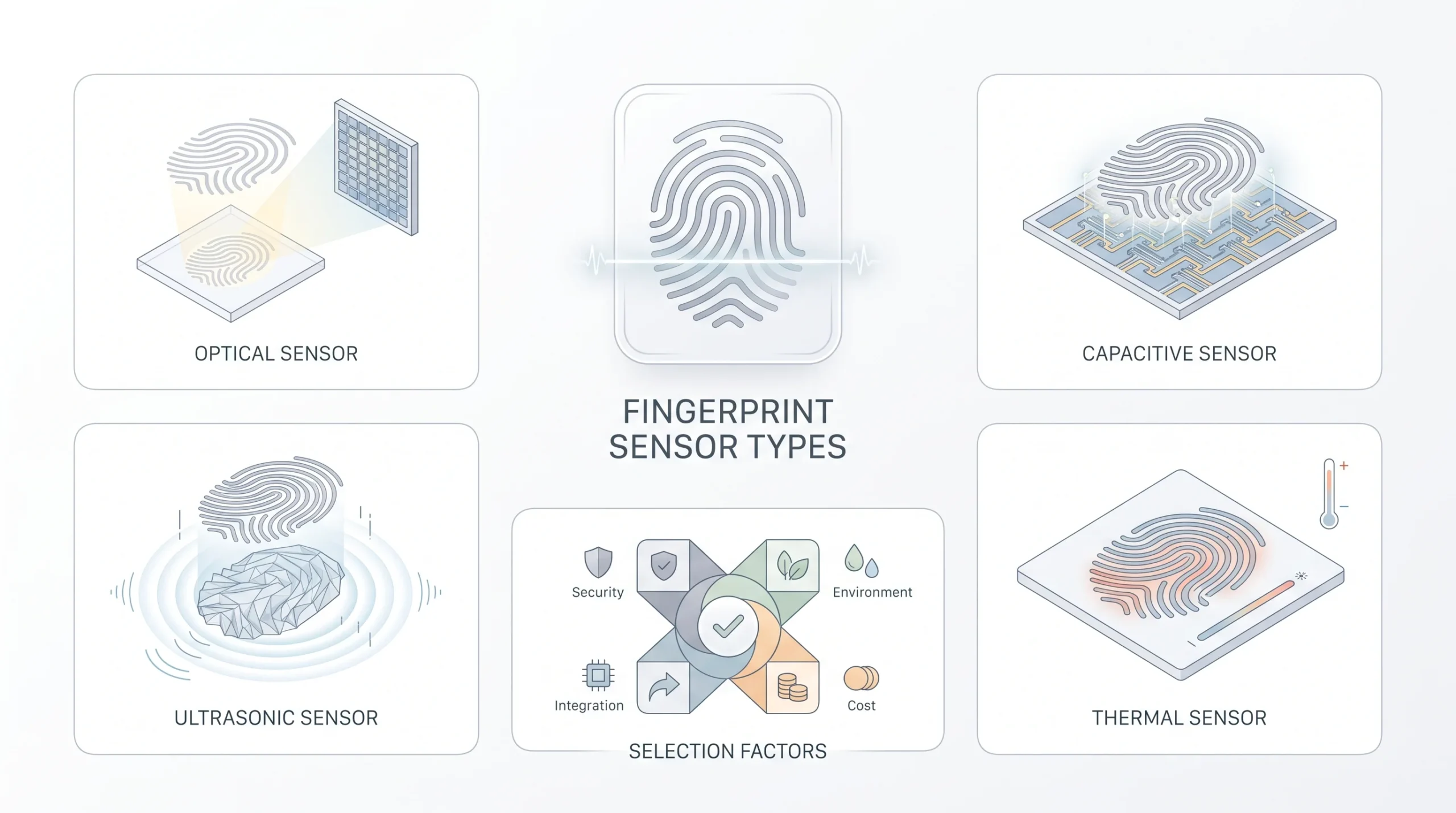
Each fingerprint sensor type brings distinct trade‑offs in technology, performance, cost, and integration complexity. Understanding these differences is essential when selecting a solution for a particular use case.
Below is a simplified comparison aligned with the characteristics discussed above.
| Sensor type | Core Technology (Capture Principle) | Accuracy & Robustness | Relative cost level | Applications |
| Optical | Visible light reflection, 2D imaging with CCD/CMOS | Good quality in controlled conditions; sensitive to surface contamination and simple spoofs without liveness | Generally low to medium | AFIS, enrollment, access control readers, time‑attendance, kiosks |
| Capacitive | Capacitance changes from ridges and valleys across electrode array | High accuracy for contact prints; performance may drop with very dry or very wet skin | Medium in consumer‑scale volumes | Smartphones, laptops, payment cards, compact access devices |
| Ultrasonic | Ultrasonic pulse‑echo, 3D imaging of surface and subsurface | Very high detail and robustness under dirt, oil, and some moisture; strong anti‑spoof potential | Medium to high due to complexity | In‑display smartphone readers, high‑security devices, advanced cards and locks |
| Thermal | Temperature differences between ridges, valleys, and air using thermal or pyro‑electric sensors | Good security under controlled conditions; sensitive to ambient temperature and airflow; slower capture | Often higher due to specialized materials | Niche access control, terminals, specialized industrial or secure systems |
When choosing a sensor type, it is important to consider environmental conditions, required security level, device form factor, and cost constraints. For example, compact mobile devices often favor capacitive or ultrasonic sensors, whereas large enrollment stations and access terminals can efficiently use optical modules.
Frequently Asked Questions (FAQs)
- Which fingerprint sensor type is the most secure?
Ultrasonic sensors generally offer the strongest resistance to spoofing because they capture 3D depth information, including ridge height and pore structure, rather than a flat surface image. That said, security also depends heavily on liveness detection and how well the matching algorithm is implemented, so a poorly configured ultrasonic system can still underperform a well-designed optical or capacitive one.
- Why do most smartphones use capacitive or ultrasonic sensors instead of optical?
Capacitive sensors are easy to miniaturize and consume very little power, which suits battery-powered devices. Ultrasonic sensors add the ability to scan through display glass, enabling true in-display unlock. Optical sensors need a bulkier lens and light path, which makes them harder to fit into thin phone bodies, though they’re still common in budget and mid-range models where cost matters more than thickness.
- Can fingerprint sensors be fooled with a fake fingerprint?
It depends on the sensor type and whether liveness detection is built in. Basic optical sensors without anti-spoofing measures are the most vulnerable to high-quality printed or molded fakes. Capacitive and ultrasonic sensors are harder to fool since they read electrical or acoustic properties that are difficult to replicate with a flat image, but no sensor is completely spoof-proof without proper liveness checks.
- Do fingerprint sensors work with wet or dirty fingers?
This varies by technology. Optical and capacitive sensors can struggle with excess moisture, oil, or dirt on the finger. Ultrasonic sensors handle these conditions better because sound waves can penetrate thin layers of contamination. Thermal sensors also tend to perform reasonably well in wet conditions since they rely on temperature contrast rather than direct electrical or optical contact.
- What is the difference between a fingerprint image and a fingerprint template?
Most fingerprint systems don’t store the raw image of your finger. Instead, the sensor extracts distinctive features, such as ridge endings and bifurcations, and converts them into a mathematical template. This template is what gets matched during authentication, and it’s generally not possible to reconstruct the original fingerprint image from it.
- Why do some fingerprint sensors take longer to scan than others?
Thermal sensors tend to be slower because the temperature contrast between ridges and valleys needs time to stabilize before an accurate reading can be taken. Optical and capacitive sensors are usually faster since they capture data almost instantly, while ultrasonic sensors sit somewhere in between depending on the depth of the 3D scan being performed.
- Are in-display fingerprint sensors as accurate as physical fingerprint buttons?
Modern in-display ultrasonic sensors have closed most of the accuracy gap with physical capacitive buttons, and in some cases exceed them due to the additional 3D depth data they capture. Optical in-display sensors, which are more common in mid-range phones, are generally a bit more sensitive to screen protectors, low light, and finger placement.
- Which fingerprint sensor type is best for outdoor or industrial use?
Optical sensors with hardened glass are a common choice for high-throughput industrial and access control settings because they hold up well to repeated use. Thermal sensors are also used in some access control and terminal applications because they’re less affected by ambient lighting, though they can be more sensitive to large temperature swings and airflow.
- Do screen protectors affect in-display fingerprint sensors?
Yes, particularly with optical sensors, since thick or low-quality screen protectors can interfere with light transmission and reduce scan accuracy. Ultrasonic sensors are generally more tolerant of screen protectors, though manufacturers still recommend using protectors that are specifically rated as compatible with ultrasonic scanning.
- Why are ultrasonic sensors more expensive than optical or capacitive sensors?
Ultrasonic modules require precision transducer arrays, acoustic coupling layers, and more sophisticated signal processing to reconstruct a 3D image from echo data. This added hardware and processing complexity, along with tighter integration requirements when placed under a display, pushes up both development and unit costs compared to simpler optical or capacitive designs.
- Can fingerprint sensors be used alongside other biometric methods?
Yes, and this is an increasingly common approach. Many devices now pair fingerprint authentication with facial recognition or PIN-based fallback, so users have more than one way to unlock a device or system. This layered approach helps address situations where a single biometric method might temporarily fail, such as a wet finger or poor lighting for face detection.
- How do I choose the right fingerprint sensor type for my product or facility?
The right choice depends on your priorities. If cost and proven reliability matter most, optical sensors are a safe option for fixed installations. If you need a compact, low-power solution for a handheld device, capacitive sensors are usually the better fit. If security and performance in tough conditions are the priority, such as with an in-display smartphone reader or a high-security access point, ultrasonic sensors are generally worth the added cost.
Conclusion
Optical, capacitive, ultrasonic, and thermal fingerprint sensors all serve the same fundamental purpose: capturing the unique ridge-valley pattern of a fingerprint. They do so, however, using very different physical principles. Optical sensors emphasize mature, cost‑effective imaging; capacitive sensors deliver compact, high‑accuracy touch sensing; ultrasonic devices add robust 3D imaging and in‑display integration; and thermal sensors provide niche options based on temperature contrast.
Selecting the right fingerprint sensor type depends on application requirements for size, cost, environment, and security, and understanding these trade‑offs enables more informed design and procurement decisions. As biometric adoption continues to grow, these technologies will keep advancing while maintaining their distinct roles across consumer, enterprise, and government solutions.
مستشعرات بصمات الأصابع
قائمة المحتويات
- مقدمة
- ما هو مستشعر بصمة الإصبع؟
- العلم وراء بصمات الأصابع
- لماذا لا تتغير بصمات الأصابع بمرور الوقت؟
- العناصر المتقدمة لتصنيف بصمات الأصابع
- كيف يعمل مستشعر بصمة الإصبع؟
- طرق التقاط بصمات الأصابع وتسجيلها
- العوامل المؤثرة في التعرف على بصمات الأصابع
- أنواع مستشعرات بصمات الأصابع
- مستشعرات بصمات الأصابع الضوئية
- مستشعرات بصمات الأصابع السعوية
- مستشعرات بصمات الأصابع بالموجات فوق الصوتية
- مستشعرات بصمات الأصابع الحرارية
- مقارنة بين أنواع مستشعرات بصمات الأصابع
- الأسئلة الشائعة
- الخلاصة
زمن القراءة حوالي 20 دقيقة
مقدمة
تتميز بصمات أصابع الإنسان بدرجة عالية جدًا من التفرد، ولذلك تُعد من أكثر الوسائل فعالية في التعرف على هوية الأشخاص. وتقوم أجهزة إنفاذ القانون بجمع بصمات الأفراد وحفظها، كما تُستخدم في العديد من المجالات التي تتطلب إثبات الهوية أو الحصول على ترخيص مهني، مثل سماسرة البورصة والمستشارين الماليين والمعلمين ووكلاء العقارات وموظفي الأمن والأطباء والممرضين والمقاولين وغيرهم.
ومع التطور المتسارع في التكنولوجيا، أصبحت ماسحات بصمات الأصابع تُستخدم كطبقة إضافية من الحماية والأمان في العديد من الأنظمة والأجهزة، مما جعلها واحدة من أهم تقنيات الأمن الحيوي الحديثة وأكثرها انتشارًا. يناقش هذا المقال مستشعر بصمة الإصبع، وآلية عمله، وأنواعه، وأهم تطبيقاته.
ما هو مستشعر بصمة الإصبع؟
مستشعر بصمة الإصبع هو جهاز حيوي يعتمد على القياسات البيومترية، ويعمل على التقاط نمط التلال والأخاديد الموجودة على الإصبع وتحويله إلى تمثيل رقمي يمكن استخدامه للتعرف على هوية الشخص أو التحقق منها. وفي معظم الأنظمة، لا يتم الاحتفاظ بالصورة الخام للبصمة، وإنما يتم إنشاء قالب رياضي اعتمادًا على الخصائص المميزة للبصمة، مثل نهايات التلال ونقاط التشعب، ثم تتم مقارنة هذا القالب بالقوالب المخزنة في قاعدة البيانات.
وعلى الرغم من اختلاف تقنيات الالتقاط من مستشعر إلى آخر، فإن معظم مستشعرات البصمة تتبع تسلسلًا متشابهًا في معالجة البيانات. يبدأ النظام بالتقاط صورة أو إشارة تمثل نمط البصمة، ثم تعمل الخوارزميات الموجودة داخل المستشعر أو في النظام المضيف على تحسين البيانات واستخراج النقاط والخصائص المميزة، وأخيرًا تتم مطابقة هذه الخصائص لتحديد ما إذا كانت البصمة المقدمة تتوافق مع هوية مخزنة مسبقًا.
وبصمة الإصبع هي الأثر الناتج عن التلال الاحتكاكية الموجودة على أطراف الأصابع. وتتكون هذه التلال من أنماط بيومترية فريدة تتشكل نتيجة طبقات الجلد والزيوت الطبيعية الموجودة على أطراف الأصابع، ولذلك تمتلك كل بصمة خصائص مميزة لصاحبها.
العلم وراء بصمات الأصابع
تتكون بصمات الأصابع من تلال مرتفعة وأخاديد دقيقة تحتوي على مسام العرق أسفل سطح الجلد. ويؤدي هذا التركيب إلى تكوين نمط فريد لكل شخص. وحتى التوائم المتطابقة، الذين يتشاركون في الحمض النووي، لا يمتلكون بصمات أصابع متطابقة. وينتج هذا التفرد عن تفاعل العوامل الوراثية مع المؤثرات البيئية أثناء نمو الجنين.
- تساعد التلال المرتفعة على تحسين قوة الإمساك وزيادة حساسية اللمس.
- تتكون أنماط البصمة قبل الولادة وتظل ثابتة طوال الحياة، مما يجعلها علامة بيولوجية دائمة.
- تفرز المسام الموجودة على التلال العرق، مما يساعد على ترك آثار البصمات على الأسطح والأجسام.
لماذا لا تتغير بصمات الأصابع بمرور الوقت؟
على عكس بعض السمات السلوكية أو أنماط الصوت التي قد تتغير، تُعد بصمات الأصابع من السمات التعريفية الثابتة. وقد تؤثر الندوب أو الإصابات السطحية في شكل البصمة لفترة مؤقتة، إلا أن نمط التلال والمسام الأساسي يظل مستقرًا، ولذلك يمكن الاعتماد على بصمات الأصابع للتعرف على الشخص طوال حياته.
الأنماط الرئيسية لبصمات الأصابع
تُصنَّف بصمات الأصابع بصورة عامة إلى ثلاثة أنماط رئيسية، ويتميز كل نمط بطريقة مختلفة في ترتيب تلال البصمة واتجاهها.
1. الحلقات – تمثل نحو 60–65% من الأشخاص
تدخل التلال في نمط الحلقة من أحد جانبي الإصبع، ثم تنحني وتلتف حول نفسها قبل أن تعود للخروج من الجانب نفسه. ويُعد هذا النمط الأكثر شيوعًا بين أنماط بصمات الأصابع.
- الحلقات الزندية: تنفتح باتجاه الإصبع الصغير، أي ناحية الجانب الزندي من اليد.
- الحلقات الكعبرية: تنفتح باتجاه الإبهام، أي ناحية الجانب الكعبري من اليد.
وغالبًا ما يكون التعرف على الحلقات سهلًا نسبيًا بسبب شكلها المنحني المميز الذي يشبه الخطاف.
2. الدوامات – تمثل نحو 30–35% من الأشخاص
تتميز الدوامات بتكوينات دائرية أو حلزونية في تلال البصمة، وهي أكثر تعقيدًا من نمط الحلقات. وتندرج تحتها عدة أشكال فرعية تختلف بحسب طريقة ترتيب التلال في مركز البصمة.
- الدوامات البسيطة: تتميز بتكوين دائري أساسي وواضح في مركز البصمة.
- الحلقات ذات الجيب المركزي: تتخذ شكل حلقات دائرية تحتوي على انبعاج أو منطقة مميزة باتجاه المركز.
- الدوامات مزدوجة الحلقة: تتكون من حلقتين متجاورتين ضمن نمط البصمة.
- الدوامات العرضية: أنماط غير منتظمة تجمع بين أكثر من شكل أو تظهر فيها تكوينات غير نمطية.
وتكتسب هذه الأنماط أهمية خاصة في فحوصات الأدلة الجنائية، نظرًا لما تتميز به من تفاصيل وتركيبات أكثر تعقيدًا يمكن الاستفادة منها في تحليل البصمات.
3. الأقواس – تمثل نحو 5% من الأشخاص
في نمط القوس، تدخل تلال البصمة من أحد جانبي الإصبع، ثم ترتفع تدريجيًا في المنطقة الوسطى قبل أن تخرج من الجانب الآخر. ويُعد هذا النمط الأقل شيوعًا بين الأنماط الرئيسية الثلاثة.
العناصر المتقدمة لتصنيف بصمات الأصابع
1. النقاط المميزة في البصمة
النقاط المميزة أو التفاصيل الدقيقة هي الخصائص الصغيرة في تلال البصمة التي يتم تحليلها أثناء عملية التعرف على الهوية.
- نهاية التل: الموضع الذي يتوقف عنده أحد تلال البصمة بشكل مفاجئ.
- التشعب: انقسام تل واحد إلى تلين.
- النقطة أو الجزيرة: تل صغير منفصل عن بقية التلال.
- الفرع الجانبي: تشعب يخرج منه تل قصير.
- البحيرة أو الحوصلة: انقسام التل ثم عودته للاتصال مرة أخرى.
- الدلتا: نقطة تلتقي عندها التلال في شكل يشبه حرف Y.
- النواة: النقطة المركزية في نمط البصمة.
يساعد تحليل هذه الخصائص، التي قد يتجاوز عددها 150 خاصية في البصمة الواحدة، على رفع دقة التعرف على الهوية بدرجة كبيرة.
2. خصائص التصنيف الأخرى
تشمل العناصر الأخرى المهمة في تصنيف البصمات ما يلي:
- اتجاه تدفق التلال واتجاه نمط البصمة.
- موضع البصمة على طرف الإصبع، مثل منطقة الطرف أو الجانب.
- كثافة التلال، أي عدد التلال ضمن مساحة محددة.
- التكوينات الخاصة مثل الأنماط الحلزونية أو الأقواس الدائرية.
كيف يعمل مستشعر بصمة الإصبع؟
يعتمد عمل مستشعر بصمة الإصبع بصورة أساسية على مرحلتين: تسجيل البصمة ثم مطابقتها. أثناء التسجيل، يضع الشخص إصبعه على المستشعر، فيقوم الجهاز بالتقاط البصمة ومعالجتها واستخراج نمطها المميز، ثم يتم إنشاء قالب رقمي وحفظه في النظام.
أما أثناء المطابقة، فعندما يضع الشخص إصبعه على المستشعر، يتم التقاط بصمة جديدة واستخراج خصائصها، ثم مقارنتها بالبيانات المخزنة مسبقًا. وإذا تطابقت الخصائص بدرجة كافية، يسمح النظام للشخص بالوصول. ولهذا تُستخدم مستشعرات البصمة للتحقق من هوية الأشخاص والتعرف عليهم، وتتميز عمومًا بدرجة جيدة من الموثوقية والأمان.
في التطبيق العملي، يتم أولًا تسجيل بصمات الأشخاص المصرح لهم باستخدام النظام وحفظها في قاعدة بيانات. وعند محاولة شخص ما الوصول إلى النظام، يضع إصبعه على الماسح، فيقوم الجهاز بقراءة البصمة ومعالجتها ومقارنتها بالبصمات المسجلة سابقًا. وعند العثور على تطابق مناسب، يتم السماح بالوصول. وفي بعض الأنظمة يُستخدم الإبهام باعتباره الإصبع الأساسي للتعرف.
طرق التقاط بصمات الأصابع وتسجيلها
1. أجهزة المسح المباشر
- تستخدم أسطحًا زجاجية لالتقاط بصمات رقمية عالية الدقة.
- تنتشر في أجهزة إنفاذ القانون ومختبرات الأدلة الجنائية.
- تخضع بعض الأجهزة لمعايير جودة الصور المعتمدة من مكتب التحقيقات الفيدرالي الأمريكي (FBI).
2. طريقة الحبر والورق
- تعتمد على الطريقة التقليدية من خلال وضع الحبر على الإصبع ثم تدويره على الورق.
- لا تزال مستخدمة في جوازات السفر والتأشيرات والأرشفة.
- يمكن بعد ذلك مسح البصمات ضوئيًا وتحويلها إلى صيغة رقمية لدمجها مع الأنظمة الحديثة.
3. التخزين الرقمي والقوالب البيومترية
- تحويل صور البصمات إلى قوالب رقمية تحتوي على النقاط المميزة للتلال.
- تشفير القوالب وتخزينها في قواعد بيانات بيومترية آمنة.
- إتاحة المطابقة السريعة والتحقق من الهوية.
العوامل المؤثرة في التعرف على بصمات الأصابع
- قد يؤدي التعرض للمواد الكيميائية إلى إضعاف أو تلف تلال الجلد.
- يمكن أن تؤثر بعض حالات الجلد أو أوجه القصور الغذائي في وضوح البصمة.
- قد تؤثر الإصابات الجسدية مثل الجروح والحروق والندوب في شكل البصمة.
- يمكن أن تؤدي الماسحات المتسخة أو التالفة إلى أخطاء في قراءة البصمة.
- يساعد فهم هذه العوامل على تحسين تقنيات المسح وإدارة أخطاء التعرف.
أنواع مستشعرات بصمات الأصابع
توجد عدة أنواع رئيسية من مستشعرات بصمات الأصابع، من بينها المستشعرات الضوئية والسعوية والموجات فوق الصوتية والحرارية. وتختلف هذه التقنيات بصورة ملحوظة من حيث التكلفة ومستوى الأمان وطريقة التشغيل. كما توفر مجموعة متنوعة من المزايا، ويمكن دمجها في العديد من الأنظمة والأجهزة بسهولة نسبيًا.
مستشعرات بصمات الأصابع الضوئية
تُعد المستشعرات الضوئية من أقدم تقنيات قراءة بصمات الأصابع وأكثرها انتشارًا، حيث تعمل على التقاط صورة ضوئية للبصمة باستخدام مستشعرات الصور CMOS أو CCD. وتشبه هذه المستشعرات مستشعرات الكاميرات من حيث المبدأ، لكنها مصممة لإنتاج صور عالية التباين توضح الفرق بين التلال والأخاديد بصورة دقيقة.
تحتوي هذه المستشعرات عادةً على مجموعة من مصابيح LED لإضاءة منطقة الإصبع، ثم يتم التقاط الضوء المنعكس وتحويله إلى صورة رقمية. وقد أصبحت بعض النماذج الحديثة صغيرة الحجم بدرجة تسمح بدمجها في أجهزة مختلفة، كما يمكن لبعضها التعامل مع الأصابع الرطبة.
مستشعر بصمة الإصبع الضوئي
كيف تعمل المستشعرات الضوئية؟ انعكاس الضوء والتقاط الصورة
يعمل المستشعر الضوئي من خلال إضاءة الإصبع والتقاط الضوء المنعكس باستخدام مستشعر صور مثل CCD أو CMOS. تلامس تلال البصمة السطح الزجاجي مباشرة، ولذلك تعكس الضوء بطريقة مختلفة عن الأخاديد التي تحتوي على الهواء، مما يؤدي إلى تكوين نمط متباين يمكن تصويره وتحويله إلى بيانات رقمية.
عادةً يضع المستخدم إصبعه على سطح زجاجي أو أكريليكي، بينما تقوم مصابيح LED أو مصدر ضوء آخر بإضاءة منطقة التلامس من أسفل السطح. بعد ذلك يقوم نظام من المنشور والعدسات بتوجيه الضوء المنعكس إلى مصفوفة التصوير، ثم يحول محول الإشارة التناظرية إلى الرقمية الإشارة الملتقطة إلى صورة رمادية يمكن تحسينها وتحليلها.
المكونات الرئيسية للمستشعرات الضوئية
- سطح زجاجي أو واقٍ يلامسه المستخدم، ويكون مقاومًا للخدوش وشفافًا بصريًا.
- مصدر إضاءة، غالبًا مجموعة من مصابيح LED، يوفر إضاءة متجانسة لمنطقة الإصبع.
- منشور أو كتلة بصرية توجه الضوء المنعكس من سطح الإصبع إلى مسار التصوير.
- نظام عدسات يركز الضوء المنعكس على مستشعر صور CCD أو CMOS.
- مستشعر صور CCD/CMOS يلتقط نمط التلال والأخاديد في صورة ثنائية الأبعاد.
- متحكم دقيق أو معالج إشارات رقمية MCU/DSP لإدارة التحكم والتحويل التناظري إلى رقمي وتحسين الصورة واستخراج الخصائص.
- واجهات اتصال مثل UART أو SPI أو USB لنقل البيانات الرقمية إلى النظام المضيف.
مزايا المستشعرات الضوئية
تتميز المستشعرات الضوئية بأنها تقنية ناضجة ومستقرة وذات تكلفة مناسبة نسبيًا. كما يمكنها توفير صور عالية الدقة، وتتوفر في صورة وحدات جاهزة تسهّل دمجها في العديد من الأنظمة.
- جودة صورة جيدة في الظروف المناسبة، مما يساعد على استخراج النقاط المميزة بصورة موثوقة.
- تكلفة تنافسية نتيجة الخبرة الطويلة في التصنيع واقتصاديات الإنتاج واسع النطاق.
- متانة جيدة عند استخدام زجاج مقوى، مما يجعلها مناسبة لبيئات الاستخدام المكثف مثل محطات تسجيل البصمات.
التطبيقات الشائعة للمستشعرات الضوئية
بفضل تكلفتها المناسبة وأدائها المستقر، تستخدم المستشعرات الضوئية على نطاق واسع في التركيبات الثابتة. وتظهر في أنظمة التعرف الآلي على البصمات AFIS/ABIS، ومحطات تسجيل الهوية المدنية، وأكشاك مراقبة الحدود، وأجهزة الحضور والانصراف.
كما تستخدم في أجهزة التحكم في الدخول، وأقفال الخزائن، وبعض ملحقات الحاسوب التي لا تمثل سماكة الجهاز فيها عاملًا حاسمًا. وتفضل هذه التطبيقات الاعتمادية والتكلفة المناسبة على الحجم فائق الصغر، وهو ما يجعل الوحدات الضوئية مناسبة لها.
ولا تزال المستشعرات الضوئية خيارًا شائعًا في الهواتف الذكية الاقتصادية ومتوسطة الفئة في عام 2026، حيث تظل كفاءة التكلفة عاملًا مهمًا مقارنة بمزايا المستشعرات فوق الصوتية المتقدمة. ومع ذلك، تواجه المستشعرات الضوئية منافسة متزايدة من التقنيات الأعلى أداءً فيما يتعلق بالسرعة والاعتمادية.
قيود المستشعرات الضوئية
على الرغم من مزاياها، فإن المستشعرات الضوئية تواجه بعض القيود العملية. فالمكونات البصرية، مثل الزجاج والمنشور والعدسة، قد تجعل الوحدة أكبر حجمًا، مما يجعلها أقل ملاءمة لبعض الأجهزة فائقة النحافة.
كما يمكن أن تتأثر بالأسطح شديدة الاتساخ أو الزيتية أو شديدة الانعكاس. وفي بعض التصميمات، قد تكون أكثر عرضة لبعض أساليب التزييف باستخدام صور مطبوعة أو قوالب عالية الجودة إذا لم تتضمن آلية فعالة لاكتشاف حيوية الإصبع. ويمكن تقليل هذه المخاطر من خلال التصميم الجيد وخوارزميات مكافحة التزييف، إلا أن ذلك يزيد من تعقيد النظام ومتطلبات المعالجة.
مستشعرات بصمات الأصابع السعوية
تعتمد المستشعرات السعوية على مجموعة كبيرة من المكثفات الصغيرة لاكتشاف الاختلاف في السعة الكهربائية بين تلال الإصبع وأخاديده. فعندما يكون أحد التلال قريبًا من لوحة المكثف، تكون السعة الكهربائية مختلفة عن المنطقة التي يوجد فيها أخدود تفصلها طبقة من الهواء.
تُقرأ هذه التغيرات في السعة بواسطة دوائر إلكترونية، ثم تُحوّل الإشارات التناظرية إلى بيانات رقمية باستخدام محول ADC، وبذلك يتم إنشاء تمثيل رقمي لنمط البصمة اعتمادًا على الخصائص الكهربائية لسطح الإصبع.
مستشعر بصمة الإصبع السعوي
وتُعرف المستشعرات السعوية أحيانًا باسم ماسحات البصمة اللمسية، وهي تستخدم الخصائص الكهربائية بدلًا من الضوء لالتقاط نمط التلال والأخاديد. وقد أصبحت من أكثر التقنيات استخدامًا في الهواتف الذكية والعديد من الأجهزة الاستهلاكية صغيرة الحجم بسبب صغر حجمها ودقتها العالية.
مبدأ العمل: تغير السعة بين التلال والأخاديد
يتكون المستشعر السعوي من مصفوفة من لوحات المكثفات الصغيرة الموجودة أسفل سطح الاستشعار. وعند لمس الإصبع للسطح، تكون التلال أقرب إلى اللوحات من الأخاديد التي يفصلها الهواء، مما يؤدي إلى اختلافات محلية في السعة الكهربائية عبر المصفوفة.
تقوم دائرة القراءة بقياس هذه الاختلافات من خلال فحص مصفوفة المكثفات بالتتابع وتحويل تغيرات السعة إلى إشارات جهد تمثل شكل التلال والأخاديد. ثم يقوم محول ADC بتحويل هذه الإشارات إلى صورة رقمية أو خريطة ارتفاع يمكن معالجتها واستخدامها لإنشاء قالب البصمة.
المكونات الأساسية للمستشعرات السعوية
- مصفوفة استشعار تتكون من عناصر موصلة، وغالبًا ما تكون مصنعة على ركيزة من السيليكون.
- طبقة عازلة تشكل بنية المكثفات وتحمي الأقطاب الموصلة.
- دوائر قراءة تفحص المصفوفة وتكتشف التغيرات الدقيقة في الشحنة وتضخم الإشارات الناتجة.
- محوّل تناظري إلى رقمي يحول الإشارات إلى صورة رقمية للبصمة.
- متحكم أو معالج دقيق لتنفيذ مهام مثل تنقية الإشارة والتطبيع وتحسين الصورة واستخراج الخصائص.
- واجهات اتصال مع الأنظمة المضيفة أو العناصر الآمنة لتخزين القوالب وإجراء المطابقة.
مزايا المستشعرات السعوية
- دقة مكانية عالية وحدود واضحة للتفاصيل، مما يدعم استخراج النقاط المميزة بصورة موثوقة.
- سهولة تصغير حجم المستشعر باستخدام تقنيات CMOS والسيليكون، مما يسمح بتصميم مناطق استشعار صغيرة جدًا.
- سرعة استجابة عالية واستهلاك منخفض للطاقة، وهو ما يجعلها مناسبة للأجهزة التي تعمل بالبطاريات.
الاستخدامات الشائعة للمستشعرات السعوية
تنتشر مستشعرات البصمة السعوية في الهواتف الذكية والأجهزة اللوحية وأجهزة الكمبيوتر المحمولة، حيث يمكن دمجها في أزرار التشغيل أو الأزرار الرئيسية أو الإطارات الجانبية. كما تستخدم في بطاقات الدفع وأجهزة نقاط البيع المحمولة والوحدات المدمجة التي تتطلب حجمًا صغيرًا واستهلاكًا منخفضًا للطاقة.
وتستخدم كذلك في أنظمة التحكم في الوصول المنطقي، وأجهزة التوثيق الآمنة، ولوحات التحكم الصناعية التي تحتاج إلى التحقق السريع والمريح من هوية المستخدم. وتستفيد هذه التطبيقات من صغر حجم المستشعر ومقاومته الجيدة نسبيًا لبعض محاولات التزييف عند دمجه مع آليات مطابقة آمنة.
التحديات والقيود
مثل أي تقنية أخرى، تواجه المستشعرات السعوية بعض القيود التشغيلية. فقد يؤدي جفاف الجلد الشديد أو خشونته أو تآكله إلى تقليل التباين في السعة، مما يجعل التقاط البصمة أكثر صعوبة وقد يتطلب تكرار المحاولة.
كما يمكن أن تؤثر الرطوبة الزائدة أو العرق أو المواد الموصلة الموجودة على سطح الإصبع في دقة القراءة إذا لم تتم معالجتها من خلال الطلاءات الواقية ومعالجة الإشارات المناسبة. وبالإضافة إلى ذلك، فإن صغر مساحة الاستشعار في بعض الأجهزة الاستهلاكية يعني التقاط جزء من البصمة فقط، مما يزيد أهمية خوارزميات المطابقة الفعالة واختيار مستويات الأمان المناسبة.
يصعب عادةً تزوير هذه المستشعرات مقارنة بالماسحات البسيطة، ويمكن لبعضها اكتشاف خصائص مرتبطة بإصبع حي. ومع ذلك، لا توجد تقنية محصنة تمامًا من التزييف؛ إذ يمكن أن تعتمد نقاط الضعف على تصميم المستشعر والبرنامج وآليات اكتشاف الحيوية المستخدمة في النظام.
مستشعرات بصمات الأصابع بالموجات فوق الصوتية
تُعد المستشعرات بالموجات فوق الصوتية من أكثر تقنيات قراءة البصمة تطورًا، إذ تستطيع إنشاء تمثيل ثلاثي الأبعاد لتفاصيل البصمة. وقد أصبحت هذه التقنية مستخدمة بصورة خاصة في بعض الهواتف الذكية المتطورة. ويضم المستشعر مجموعة من المرسلات والمستقبلات التي تطلق موجات فوق صوتية ثم تلتقط الإشارات المرتدة من التلال والأخاديد والمسام وغيرها من تفاصيل الإصبع.
مستشعر بصمة الإصبع بالموجات فوق الصوتية
تحتاج هذه المستشعرات إلى وقت معين لإعادة بناء الخريطة ثلاثية الأبعاد للبصمة بدقة. كما تتميز بإمكانية دمجها أسفل شاشات الهواتف، ولذلك تستخدم بكثرة في تقنيات التعرف على البصمة داخل الشاشة. ويمنحها تحليل العمق والتفاصيل ثلاثية الأبعاد مزايا إضافية مقارنة بالأنظمة التي تعتمد على صورة سطحية فقط.
تعتمد مستشعرات البصمة بالموجات فوق الصوتية على موجات صوتية عالية التردد بدلًا من الضوء أو السعة الكهربائية لإنشاء تمثيل ثلاثي الأبعاد دقيق للبصمة. وتتميز بأداء جيد في بعض الظروف الصعبة، كما أصبحت أكثر انتشارًا في الهواتف المزودة بقارئات بصمة مدمجة داخل الشاشة.
تقنية الموجات فوق الصوتية ومبدأ النبضة والصدى
يعمل المستشعر فوق الصوتي بطريقة تشبه نظام السونار المصغر، حيث يرسل نبضات فوق صوتية باتجاه الإصبع ثم يستقبل الأصداء العائدة. وتنعكس الموجات بطريقة مختلفة عند التلال والأخاديد والمسام والبنى الدقيقة الأخرى، مما يسمح للنظام بإعادة بناء شكل ثلاثي الأبعاد لسطح الجلد وبعض خصائصه الداخلية.
تعتمد العملية عادةً على مبدأ النبضة والصدى. حيث يطلق محول الإرسال دفعات قصيرة من الموجات الصوتية عالية التردد عبر طبقة ربط مناسبة، وعندما تواجه الموجات اختلافات في الخصائص الصوتية عند سطح الإصبع أو داخله، ينعكس جزء من الطاقة باتجاه مجموعة الاستقبال. ثم يتم تحليل زمن وصول الأصداء وشدتها لتكوين صورة للبصمة.
المكونات الأساسية للمستشعرات فوق الصوتية
- مصفوفة من المحولات فوق الصوتية التي تولد الموجات الصوتية وتستقبلها.
- طبقات وركائز للربط الصوتي، وقد تتضمن مواد خزفية لدعم انتقال الموجات والاستقرار الميكانيكي.
- دوائر قيادة تعمل على تشغيل المحولات بنبضات كهربائية مضبوطة وإدارة التوقيت.
- دوائر لمعالجة الإشارة ومعالج دقيق لتحليل الأصداء وإعادة بناء الهيكل ثلاثي الأبعاد للبصمة.
- واجهات مدمجة داخل الشرائح أو الوحدات، ويمكن وضعها أسفل شاشات OLED وغيرها من شاشات العرض للاستشعار داخل الشاشة.
مزايا المستشعرات فوق الصوتية
توفر تقنية الموجات فوق الصوتية عددًا من المزايا مقارنة بالمستشعرات الضوئية والسعوية التقليدية، خصوصًا في الظروف الواقعية الصعبة. ونظرًا لقدرة الموجات الصوتية على اختراق طبقات رقيقة من الملوثات، يمكن للمستشعر في بعض الحالات التقاط بصمة قابلة للاستخدام حتى عندما يكون الإصبع رطبًا أو دهنيًا أو متسخًا بدرجة بسيطة.
- دقة عالية ومعلومات ثلاثية الأبعاد غنية تشمل ارتفاع التلال وتفاصيل المسام، مما يدعم المطابقة الدقيقة.
- مقاومة أفضل لبعض أساليب التزييف، لأن النظام يقيس العمق وبعض الخصائص الموجودة أسفل السطح بدلًا من الاعتماد على التباين السطحي فقط.
- إمكانية العمل من خلال زجاج الشاشة، مما يسمح بدمج قارئ البصمة داخل الشاشة دون الحاجة إلى منطقة استشعار خارجية منفصلة.
استخدامات المستشعرات فوق الصوتية
أصبحت المستشعرات فوق الصوتية بارزة في الهواتف الذكية الرائدة التي توفر خاصية فتح القفل بالبصمة من داخل الشاشة. وقد دمجت العديد من منصات الهواتف هذه التقنية داخل الشرائح وأنظمة الشاشة لتوفير مصادقة بيومترية سريعة ومريحة دون الحاجة إلى أزرار مادية مخصصة.
وبعيدًا عن الهواتف، يجري تقييم المستشعرات فوق الصوتية للاستخدام في بطاقات الدفع الآمنة وأقفال الأبواب والأنظمة عالية الأمان، حيث تكون مقاومة الملوثات البيئية وبعض محاولات التزييف المتقدمة ذات أهمية كبيرة.
وقد تسارع هذا الاتجاه خلال عام 2026، مع توجه متزايد لدى الشركات المصنعة للهواتف المتميزة نحو المستشعرات فوق الصوتية ثلاثية الأبعاد بدلًا من المستشعرات الضوئية داخل الشاشة في أجهزتها الرائدة. ومن أمثلة ذلك محول 3D Sonic Max من Qualcomm، الذي يمكنه التقاط مساحة بصمة تبلغ نحو 600 مم² خلال 250 مللي ثانية، مع الحفاظ على أداء جيد حتى مع الجلد الرطب أو الدهني.
التكلفة والقيود
تميل المستشعرات فوق الصوتية إلى أن تكون أكثر تعقيدًا وتكلفة من المستشعرات الضوئية الأساسية أو المستشعرات السعوية الصغيرة. فهي تحتاج إلى مصفوفات محولات دقيقة وطبقات ربط صوتي ومعالجة متقدمة للإشارات، كما تتطلب تكاملًا دقيقًا مع الشاشة أو هيكل الجهاز، مما قد يرفع تكلفة التطوير والتصنيع.
وفي بعض التصميمات قد يكون استهلاك الطاقة أو زمن الالتقاط أعلى من التقنيات الأبسط، على الرغم من استمرار الشركات في تحسين هذه الجوانب. وكما هو الحال مع جميع الأنظمة البيومترية، يمكن أن يتأثر الأداء بالظروف البيئية القاسية أو طريقة استخدام المستخدم، ولذلك تحتاج هذه الأنظمة إلى ضبط دقيق.
مستشعرات بصمات الأصابع الحرارية
تعتمد المستشعرات الحرارية على الاختلاف في درجات الحرارة بين تلال البصمة وأخاديدها والهواء المحيط لتكوين صورة للبصمة، بدلًا من الاعتماد على انعكاس الضوء أو المجالات الكهربائية. وهي أقل انتشارًا من المستشعرات الضوئية والسعوية، لكنها تستخدم في بعض التطبيقات الأمنية والصناعية المتخصصة.
مستشعر بصمة الإصبع الحراري
آلية العمل اعتمادًا على اختلاف درجات الحرارة
يكتشف المستشعر الحراري تدفق الحرارة أو الفرق في درجة الحرارة الناتج عند ملامسة الإصبع لسطح الاستشعار. حيث تلامس التلال المستشعر مباشرة وتنقل كمية أكبر من الحرارة، بينما تبقى الأخاديد منفصلة جزئيًا بطبقة من الهواء، مما يؤدي إلى ظهور مناطق أكثر برودة.
ومن خلال رسم خريطة لهذه الاختلافات الحرارية عبر مجموعة من عناصر الاستشعار، يستطيع الجهاز إعادة بناء نمط التلال والأخاديد. وتعمل بعض التصميمات بصورة سلبية اعتمادًا على الفروق الطبيعية في درجات الحرارة، بينما قد تقوم التصميمات النشطة بتسخين السطح أو إرسال نبضات حرارية لفترة قصيرة لتعزيز التباين.
بنية المواد الكهروضغطية الحرارية
تدمج بعض مستشعرات البصمة الحرارية مواد كهرحرارية أو مواد حساسة للحرارة داخل شريحة من السيليكون. وتولد المواد الكهرحرارية شحنة كهربائية استجابة للتغير في درجة الحرارة، ويمكن قياس هذه الشحنة بواسطة الدوائر الإلكترونية المرتبطة بها.
وتعمل البنى الترانزستورية ودوائر القراءة داخل الشريحة على تحويل الشحنات الناتجة عن تغير الحرارة إلى إشارات تمثل نمط الحرارة المحلي عبر مصفوفة الاستشعار. ثم يقوم المعالج بمعالجة هذه الإشارات وإنشاء صورة رقمية للبصمة واستخراج خصائصها لإنشاء القالب البيومتري.
مزايا المستشعرات الحرارية
توفر المستشعرات الحرارية بعض المزايا الأمنية والتشغيلية في ظروف محددة. وبما أنها تقيس الفروق الحرارية، فهي أقل تأثرًا بالإضاءة المحيطة، وقد تكون أكثر صعوبة في الخداع باستخدام صور مسطحة بدرجة حرارة الغرفة أو نسخ مشابهة.
كما يمكنها العمل في البيئات الرطبة والجافة عند تصميمها بصورة مناسبة، لأن الفرق الحراري بين تلال الجلد والمناطق المحيطة بها يمكن اكتشافه حتى في وجود الرطوبة. ولهذا يمكن أن تكون مفيدة في بعض التطبيقات عالية الأمان أو البيئات القاسية.
الحساسية للبيئة وسرعة المعالجة
تُعد الظروف البيئية من أهم الاعتبارات عند استخدام المستشعرات الحرارية. فقد تؤثر التغيرات الكبيرة في درجة الحرارة المحيطة أو تيارات الهواء القوية أو التغير السريع في درجة حرارة السطح في استقرار الصورة الحرارية، مما قد يتطلب تقنيات لتعويض هذه التأثيرات.
كما قد تستغرق عملية تكوين الصورة الحرارية واستقرارها وقتًا أطول من بعض تقنيات الالتقاط البصرية أو الكهربائية، مما قد يزيد الزمن اللازم للحصول على بصمة عالية الجودة. ولهذا يمكن أن تكون المستشعرات الحرارية أبطأ من بعض البدائل في بعض التطبيقات.
التطبيقات النموذجية للمستشعرات الحرارية
استخدمت المستشعرات الحرارية تاريخيًا في أجهزة القراءة التي تعتمد على تمرير الإصبع فوق شريط استشعار ضيق، وفي بعض أنظمة الدخول الآمن وحلول تسجيل الدخول البيومترية للحواسيب والأجهزة الطرفية.
وتستفيد هذه التطبيقات من قدرة المستشعرات الحرارية على مقاومة بعض أساليب التزييف والعمل في ظروف متنوعة، شريطة إدارة التأثيرات البيئية بشكل مناسب. ومع ذلك، فإن تكلفتها وتعقيد دمجها مقارنة بالتقنيات الأكثر شيوعًا يجعلانها خيارًا متخصصًا في الوقت الحالي.
مقارنة بين أنواع مستشعرات بصمات الأصابع

يقدم كل نوع من مستشعرات بصمات الأصابع مجموعة مختلفة من المزايا والمقايضات المتعلقة بالتقنية والأداء والتكلفة وتعقيد الدمج. ولذلك فإن فهم هذه الفروقات يساعد على اختيار الحل المناسب لكل تطبيق.
يوضح الجدول التالي مقارنة مبسطة بين الأنواع التي تمت مناقشتها:
| نوع المستشعر | التقنية الأساسية وطريقة الالتقاط | الدقة والمتانة | مستوى التكلفة | التطبيقات |
|---|---|---|---|---|
| الضوئي | انعكاس الضوء المرئي والتصوير ثنائي الأبعاد باستخدام CCD/CMOS | جودة جيدة في الظروف المناسبة، مع حساسية للملوثات السطحية وبعض أساليب التزييف عند غياب اكتشاف الحيوية | منخفضة إلى متوسطة | أنظمة AFIS، تسجيل البصمات، التحكم في الدخول، أجهزة الحضور والانصراف والأكشاك |
| السعوي | قياس تغير السعة الناتج عن التلال والأخاديد عبر مصفوفة من الأقطاب | دقة عالية في البصمات التلامسية، مع احتمال انخفاض الأداء عند جفاف الجلد الشديد أو رطوبته الزائدة | متوسطة | الهواتف الذكية، الحواسيب المحمولة، بطاقات الدفع وأجهزة الدخول صغيرة الحجم |
| فوق الصوتي | النبضة والصدى بالموجات فوق الصوتية والتصوير ثلاثي الأبعاد للسطح وبعض البنى الداخلية | تفاصيل دقيقة جدًا ومتانة جيدة مع الأوساخ والزيوت وبعض الرطوبة، مع إمكانية قوية لمقاومة التزييف | متوسطة إلى مرتفعة | قارئات الهواتف داخل الشاشة، الأجهزة عالية الأمان، البطاقات والأقفال المتقدمة |
| الحراري | قياس الفروق الحرارية بين التلال والأخاديد والهواء باستخدام مستشعرات حرارية أو كهرحرارية | أمان جيد في الظروف المناسبة، مع حساسية لدرجة الحرارة المحيطة وتيارات الهواء وبطء نسبي في الالتقاط | غالبًا مرتفعة | التحكم المتخصص في الدخول، الأجهزة الطرفية والأنظمة الصناعية أو الأمنية المتخصصة |
عند اختيار نوع المستشعر، من المهم مراعاة الظروف البيئية ومستوى الأمان المطلوب وحجم الجهاز والتكلفة المستهدفة. فعلى سبيل المثال، تميل الأجهزة المحمولة صغيرة الحجم إلى استخدام المستشعرات السعوية أو فوق الصوتية، بينما يمكن لمحطات تسجيل البصمات وأجهزة التحكم في الدخول الكبيرة الاستفادة من الوحدات الضوئية.
الأسئلة الشائعة
ما نوع مستشعر بصمة الإصبع الأكثر أمانًا؟
تقدم المستشعرات فوق الصوتية عادةً مستوى قويًا من مقاومة التزييف لأنها تلتقط معلومات ثلاثية الأبعاد تشمل ارتفاع التلال وبعض تفاصيل المسام، بدلًا من الاعتماد على صورة سطحية مسطحة. ومع ذلك، يعتمد مستوى الأمان أيضًا بصورة كبيرة على تقنية اكتشاف حيوية الإصبع وجودة خوارزمية المطابقة، ولذلك قد يتفوق نظام ضوئي أو سعوي مصمم جيدًا على نظام فوق صوتي ضعيف الإعداد.
لماذا تستخدم معظم الهواتف مستشعرات سعوية أو فوق صوتية بدلًا من الضوئية؟
تتميز المستشعرات السعوية بسهولة تصغير حجمها وانخفاض استهلاكها للطاقة، مما يجعلها مناسبة للأجهزة التي تعمل بالبطاريات. أما المستشعرات فوق الصوتية فتتيح قراءة البصمة من خلال زجاج الشاشة، وهو ما يسمح بدمجها داخل الشاشة. في المقابل، تحتاج المستشعرات الضوئية إلى مسار ضوئي وعدسات أكبر نسبيًا، مما يجعل دمجها في الهواتف فائقة النحافة أكثر صعوبة، رغم استمرار استخدامها في الأجهزة الاقتصادية ومتوسطة الفئة.
هل يمكن خداع مستشعرات البصمة باستخدام بصمة مزيفة؟
يعتمد ذلك على نوع المستشعر وما إذا كان النظام يستخدم تقنية لاكتشاف حيوية الإصبع. وتكون المستشعرات الضوئية البسيطة التي تفتقر إلى وسائل مكافحة التزييف أكثر عرضة لبعض الهجمات باستخدام صور أو نماذج عالية الجودة. أما المستشعرات السعوية وفوق الصوتية فتكون أصعب في الخداع لأنها تقيس خصائص كهربائية أو صوتية يصعب محاكاتها بصورة مسطحة، إلا أن أي نظام بيومتري لا يمكن اعتباره محصنًا تمامًا دون آليات مناسبة لاكتشاف الحيوية.
هل تعمل مستشعرات البصمة مع الأصابع المبللة أو المتسخة؟
يختلف ذلك حسب التقنية. فقد تواجه المستشعرات الضوئية والسعوية صعوبة عند وجود كمية كبيرة من الرطوبة أو الزيوت أو الأوساخ على الإصبع. أما المستشعرات فوق الصوتية فتتعامل مع هذه الظروف بصورة أفضل في بعض التطبيقات لأن الموجات الصوتية تستطيع اختراق طبقات رقيقة من الملوثات. كما يمكن للمستشعرات الحرارية أن تقدم أداءً جيدًا نسبيًا مع الأصابع الرطبة لأنها تعتمد على الفرق في درجة الحرارة بدلًا من الاتصال البصري أو الكهربائي المباشر.
ما الفرق بين صورة البصمة وقالب البصمة؟
لا تحتفظ معظم أنظمة البصمة بالصورة الخام للإصبع. وبدلًا من ذلك، يستخرج المستشعر خصائص مميزة مثل نهايات التلال والتشعبات ويحولها إلى قالب رياضي. ويُستخدم هذا القالب أثناء عملية المصادقة للمقارنة مع البيانات المخزنة. وبشكل عام، لا يمكن إعادة إنشاء صورة البصمة الأصلية بسهولة من القالب الرياضي وحده.
لماذا تستغرق بعض مستشعرات البصمة وقتًا أطول من غيرها؟
تميل المستشعرات الحرارية إلى أن تكون أبطأ لأن الفرق الحراري بين التلال والأخاديد يحتاج إلى وقت حتى يستقر قبل الحصول على قراءة دقيقة. أما المستشعرات الضوئية والسعوية فعادةً ما تكون أسرع لأنها تلتقط البيانات بصورة شبه فورية، بينما تقع المستشعرات فوق الصوتية في نطاق متوسط يعتمد على عمق ودقة المسح ثلاثي الأبعاد.
هل مستشعرات البصمة داخل الشاشة دقيقة مثل أزرار البصمة التقليدية؟
أصبحت المستشعرات فوق الصوتية الحديثة داخل الشاشة قريبة جدًا من مستوى دقة أزرار البصمة السعوية التقليدية، وقد تتفوق عليها في بعض الحالات بفضل المعلومات الإضافية التي توفرها عن العمق. أما المستشعرات الضوئية داخل الشاشة، وهي أكثر انتشارًا في بعض الهواتف متوسطة الفئة، فقد تكون أكثر حساسية لبعض أنواع واقيات الشاشة أو موضع الإصبع.
ما نوع مستشعر البصمة الأفضل للاستخدام الخارجي أو الصناعي؟
تُعد المستشعرات الضوئية المزودة بزجاج مقوى خيارًا شائعًا في البيئات الصناعية وأنظمة التحكم في الدخول التي تتطلب استخدامًا متكررًا، بسبب قدرتها على تحمل الاستخدام المستمر. كما تستخدم المستشعرات الحرارية في بعض تطبيقات التحكم في الدخول والأجهزة الطرفية لأنها أقل تأثرًا بالإضاءة المحيطة، إلا أنها قد تكون أكثر حساسية للتغيرات الكبيرة في درجات الحرارة وتيارات الهواء.
هل تؤثر واقيات الشاشة في مستشعرات البصمة داخل الشاشة؟
نعم، وخصوصًا مع المستشعرات الضوئية، لأن واقيات الشاشة السميكة أو منخفضة الجودة قد تؤثر في انتقال الضوء وتقلل من دقة المسح. وتكون المستشعرات فوق الصوتية عادةً أكثر قدرة على التعامل مع واقيات الشاشة، إلا أن الشركات المصنعة لا تزال توصي باستخدام واقيات مصممة ومتوافقة مع تقنية المسح فوق الصوتي.
لماذا تكون المستشعرات فوق الصوتية أغلى من الضوئية أو السعوية؟
تحتاج الوحدات فوق الصوتية إلى مصفوفات محولات دقيقة وطبقات ربط صوتي ومعالجة أكثر تعقيدًا للإشارات من أجل إعادة بناء صورة ثلاثية الأبعاد اعتمادًا على الأصداء. ويؤدي هذا التعقيد الإضافي، إلى جانب متطلبات الدمج الدقيقة عند وضع المستشعر أسفل الشاشة، إلى زيادة تكلفة التطوير والتصنيع مقارنة بالتصميمات الضوئية أو السعوية الأبسط.
هل يمكن استخدام مستشعرات البصمة مع وسائل بيومترية أخرى؟
نعم، وأصبح هذا الأسلوب شائعًا بشكل متزايد. إذ تجمع العديد من الأجهزة بين المصادقة بالبصمة والتعرف على الوجه أو استخدام رقم التعريف الشخصي PIN كوسيلة بديلة. ويساعد هذا النهج متعدد الطبقات على توفير أكثر من وسيلة للوصول إلى الجهاز أو النظام عند تعذر استخدام إحدى الوسائل مؤقتًا، مثل وجود رطوبة على الإصبع أو ظروف الإضاءة غير المناسبة للتعرف على الوجه.
كيف أختار نوع مستشعر البصمة المناسب لمنتجي أو منشأتي؟
يعتمد الاختيار الصحيح على الأولويات المطلوبة. فإذا كانت التكلفة والاعتمادية المثبتة هما العاملين الأهم، فإن المستشعرات الضوئية تمثل خيارًا مناسبًا للتركيبات الثابتة. وإذا كان المطلوب حلًا صغير الحجم ومنخفض استهلاك الطاقة لجهاز محمول، فقد تكون المستشعرات السعوية أكثر ملاءمة. أما إذا كان الأمان والأداء في الظروف الصعبة هما الأولوية، مثل قارئ بصمة داخل شاشة هاتف متطور أو نقطة دخول عالية الأمان، فقد تستحق المستشعرات فوق الصوتية التكلفة الإضافية.
الخلاصة
تؤدي المستشعرات الضوئية والسعوية وفوق الصوتية والحرارية الغرض الأساسي نفسه، وهو التقاط النمط الفريد للتلال والأخاديد في بصمة الإصبع، لكنها تختلف جذريًا في الطريقة التي تحقق بها ذلك. فالمستشعرات الضوئية تعتمد على التصوير الناضج والفعال من حيث التكلفة، بينما توفر المستشعرات السعوية حجمًا صغيرًا ودقة عالية في الاستشعار باللمس. وتضيف المستشعرات فوق الصوتية قدرات التصوير ثلاثي الأبعاد وإمكانية الدمج داخل الشاشة، في حين تقدم المستشعرات الحرارية خيارًا متخصصًا يعتمد على الفروق في درجات الحرارة.
ويعتمد اختيار نوع مستشعر بصمة الإصبع المناسب على متطلبات التطبيق من حيث الحجم والتكلفة والبيئة ومستوى الأمان. ويساعد فهم هذه الفروقات على اتخاذ قرارات أكثر دقة عند تصميم المنتجات أو اختيار حلول المصادقة البيومترية وشرائها. ومع استمرار انتشار تقنيات القياسات الحيوية، ستواصل هذه التقنيات التطور مع احتفاظ كل منها بدور مميز في تطبيقات المستهلكين والشركات والجهات الحكومية.


Leave a comment
You must be logged in to post a comment.